Buying a Used Espresso Machine in California
Eyeing a used espresso machine on Marketplace, OfferUp or Craigslist in California? The checks we run on the bench, the red flags, and when to walk away.
Southern California has one of the deepest used espresso markets in the country. Facebook Marketplace, OfferUp and Craigslist are full of Jura, Breville, De’Longhi and Rocket machines, plus whatever came out of the last café that closed down the street. Some of them are real deals. A lot of them are machines somebody stopped using because they stopped working.
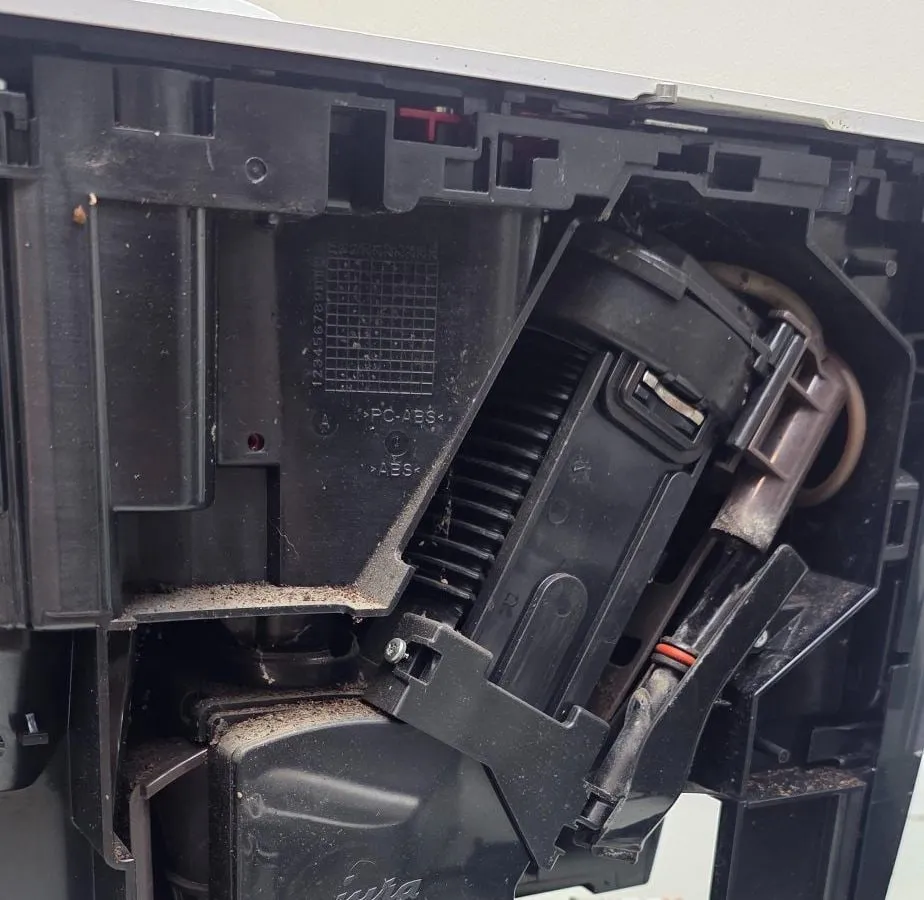
We see the second kind on our bench every week. This fall a Jura E6 came in that had been sitting in a kitchen for over a year. It ground the beans and made a puck, but no coffee came out, so the owner gave up and let it gather dust. A four-year-old Jura ENA 4 arrived with a jammed brewer, and inside we found old coffee, mold and spider webs. One Breville Oracle Touch wasn’t economical to repair at all. Any of those could have been listed online as “works great, just don’t use it anymore.”
This guide is the checklist we’d want a friend to run before handing a stranger cash for an espresso machine.
Where to buy, and what each source really means
Private sellers (Marketplace, OfferUp, Craigslist). The lowest prices and zero recourse. Once you drive away, it’s yours, along with whatever is wrong inside it.
Factory-refurbished from a retailer. Breville sells remanufactured machines, and specialty retailers carry factory-refurbished Jura units. You pay more than private-party prices, but you get a machine that’s been gone through and a written warranty. Check how long that warranty is before you compare prices.
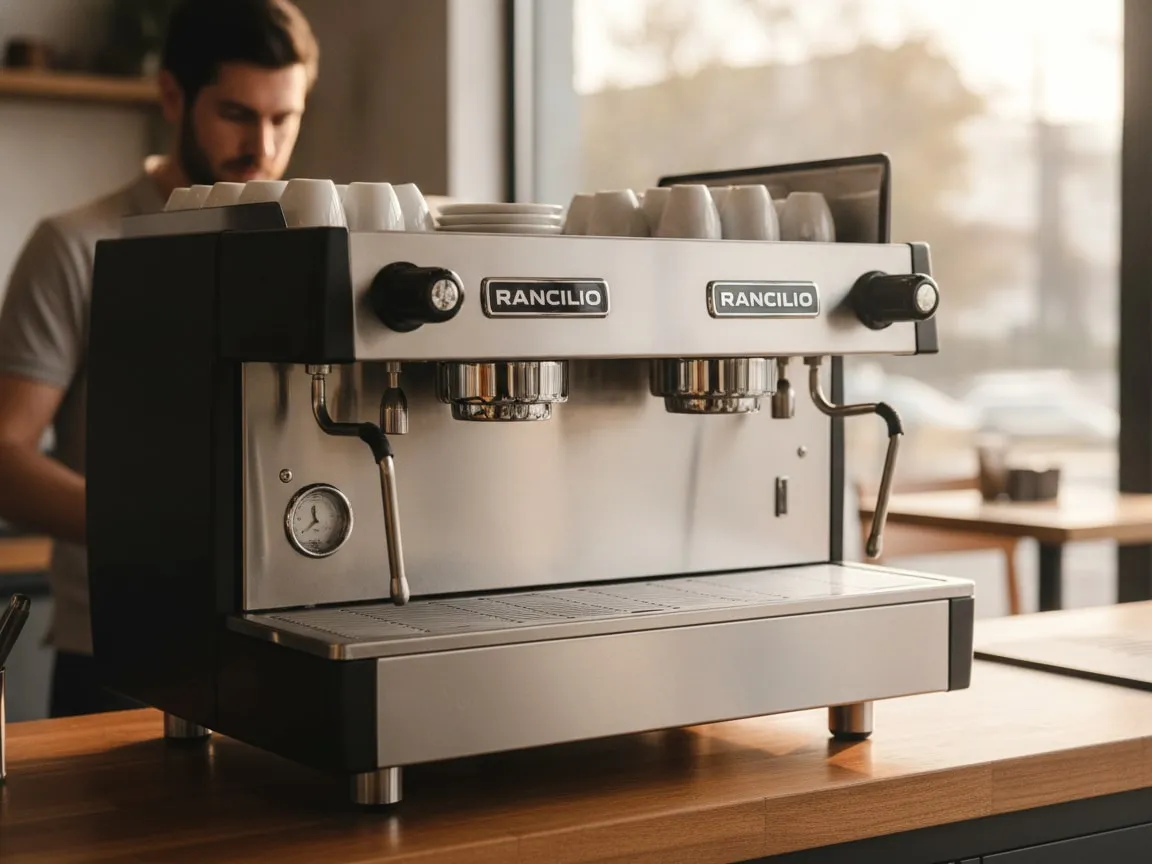
Café closures and restaurant auctions. Real commercial machines show up here, sometimes cheap. Before you haul one home, check two things: many commercial machines need a dedicated electrical circuit and a plumbed water line, and a two-group machine is heavy. A bargain that needs an electrician and a plumber isn’t a bargain anymore. More on commercial machines.
The 10-minute check before you pay
Bring beans, a cup and some milk. Then go through this:
- Ask the seller not to turn it on before you arrive. You want to see it start from cold. A machine that’s already warm can hide slow heating and startup errors.
- Plug it into a kitchen outlet with a GFCI. If it trips the outlet, walk away or price in a real repair. Tripping usually points to moisture or a heater fault. We saw exactly this on a Breville Oracle Touch and a Saeco this fall.
- Make two drinks, not one. Volume should match the setting. On a super-automatic, the spent puck should come out firm and mostly dry, not soupy.
- Look underneath and behind. Water marks, white mineral trails and rust on the base mean a leak somewhere inside.
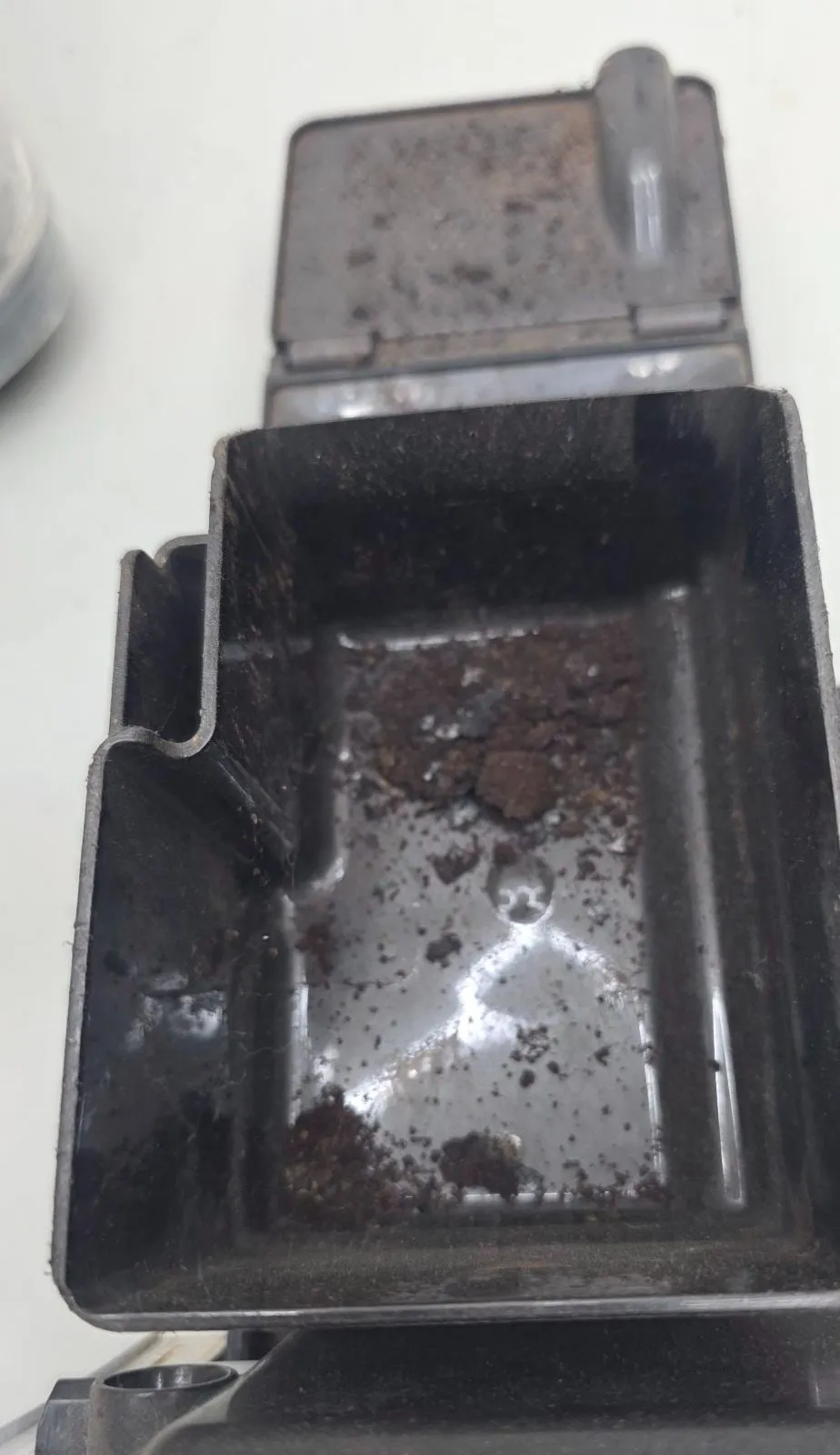
- Open everything you can. Water tank, drip tray, grounds bin and, on De’Longhi, Philips, Saeco, Miele and Gaggia, the brew unit. Mold, caked old coffee or scale flakes mean the maintenance was skipped.
- Test the steam. It should come out dry and strong. A steam wand that drips while the machine brews needs a valve or seal job.
- Photograph the model plate. Make sure it’s the US 120V version. Some machines here are imported 230V units, and they’re a headache to power and to find parts for.
- Ask two questions: when was it last descaled, and did it run with a water filter? In Southern California, “never” means you should budget for a descale before anything else.
- Check the counters if the machine has a drink or maintenance counter in its menu. High numbers with no service history means a brew unit service is coming.
Red flags
- “It just needs a cleaning.” Sometimes true. Often it’s what people say about a machine that stopped working.
- “It worked last time I used it, it’s been sitting a while.” See the E6 above.
- A missing water tank, drip tray or brew unit. Replacements can be hard to find for older models.
- Error codes the seller can’t explain.
- The seller won’t let you see it make a drink.
How to think about price
Forget the original sticker price. The number that matters is asking price plus what it’ll likely cost to make the machine reliable.
Any used super-automatic with no service history should be assumed to need a brew unit service and a descale. On our bench this fall, home super-automatic repairs mostly landed between $520 and $950. If a listing only looks like a deal before you add that in, it isn’t one.
What a brew unit service actually covers
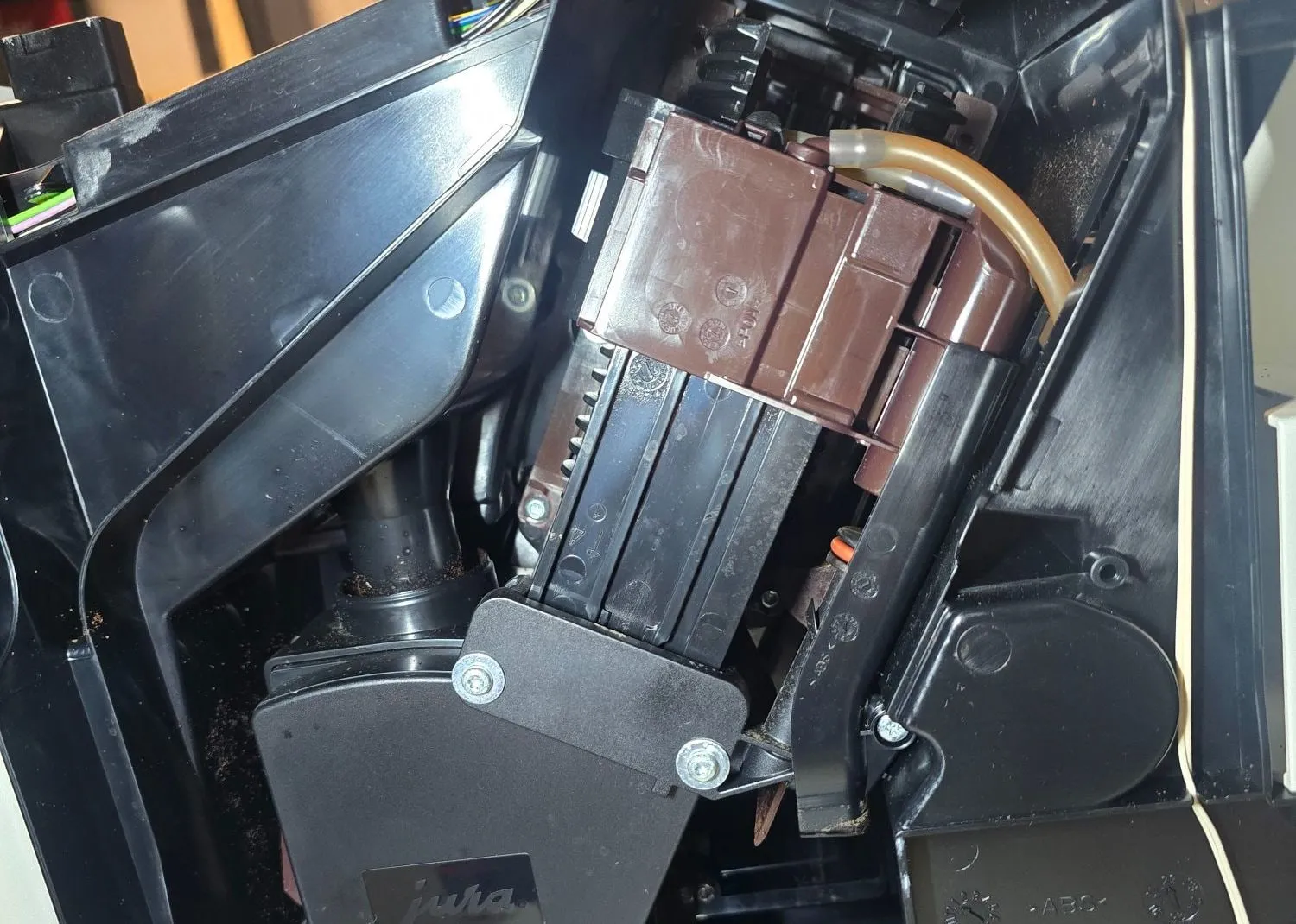
Since that number shows up twice in this guide, here is what it buys. The brew unit comes out and gets stripped: piston seals and O-rings that have gone hard are replaced, the drainage valve is cleaned so it stops sticking, and the chamber and screen are cleared of the crust that keeps water from getting through. The grinder outlet and the chute behind it are cleaned, because packed grounds there are what starves the brewer in the first place. The milk path is pulled and flushed. Then the machine is descaled properly, not with a rinse, and run back up: heating time, brew temperature and pressure checked against spec, steam checked, and a leak test under pressure before it goes back on the counter. On a used machine with no history, that is the baseline, not an upgrade. Anything found beyond it goes in a written estimate before any work is done.
Southern California water
A lot of tap water here is hard, and scale is behind a big share of the heater, valve and pump failures we fix. A used machine from a house that never used a filter has probably been building scale for years. Plan on a descale, and run the right filter from day one. Our water filter guide covers which kind to use.
Which used machines make the most sense
Based on what comes across our bench:
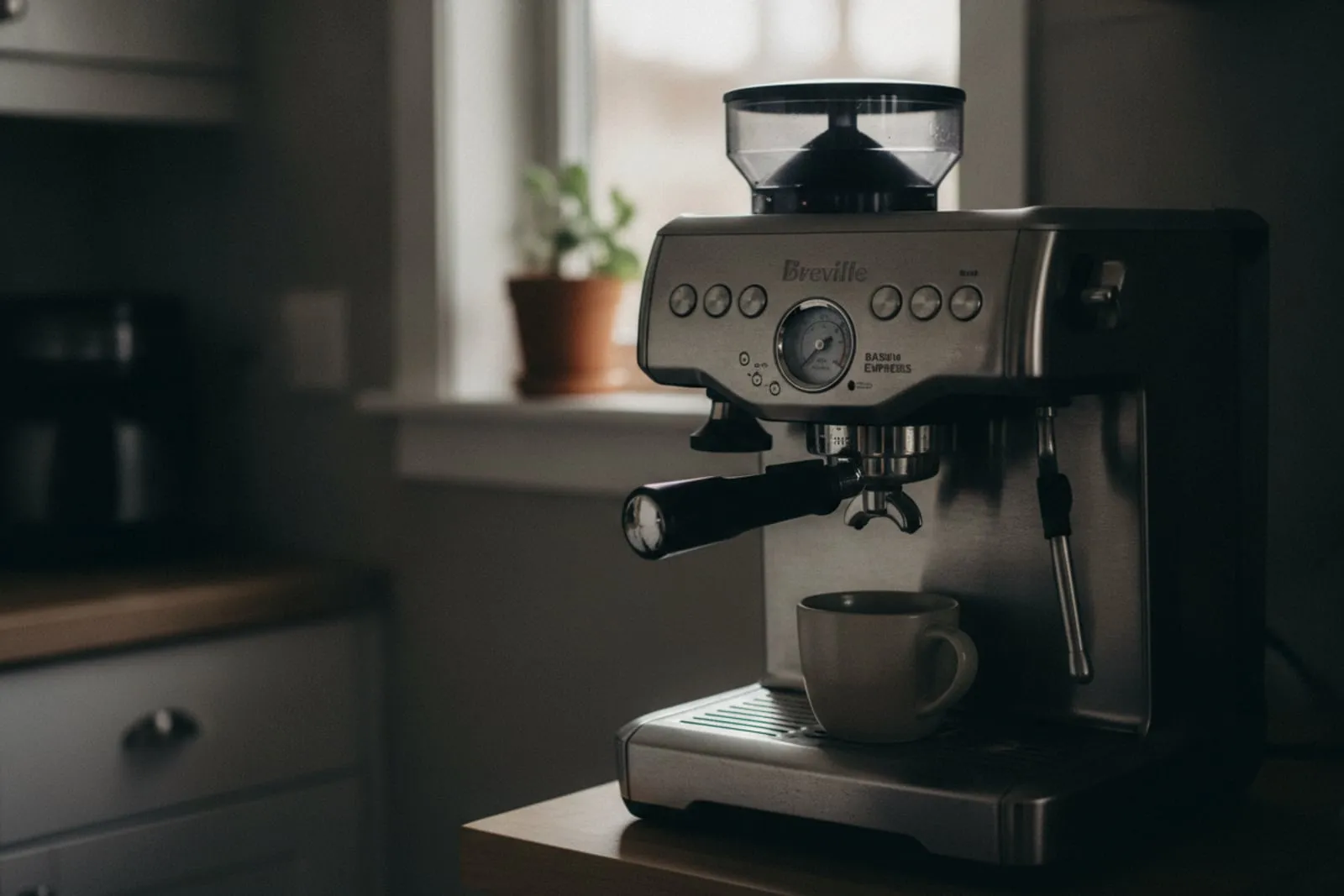
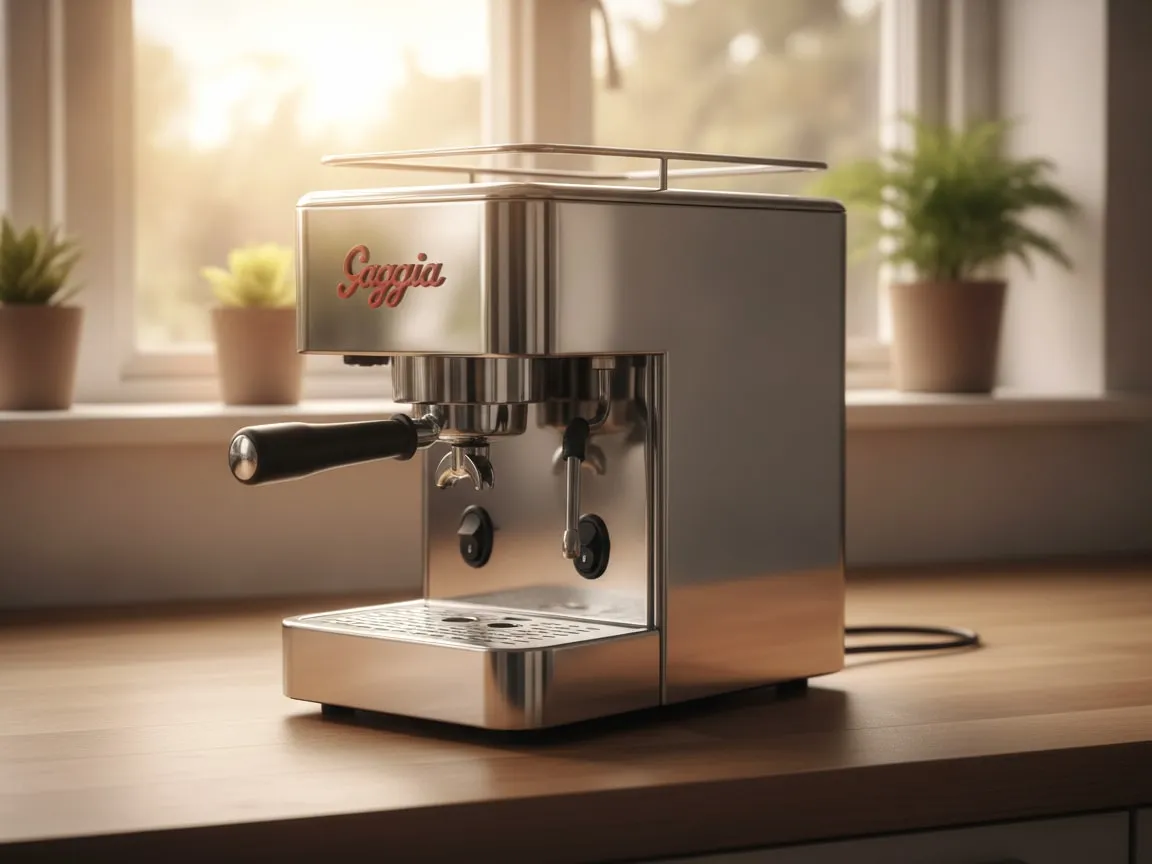
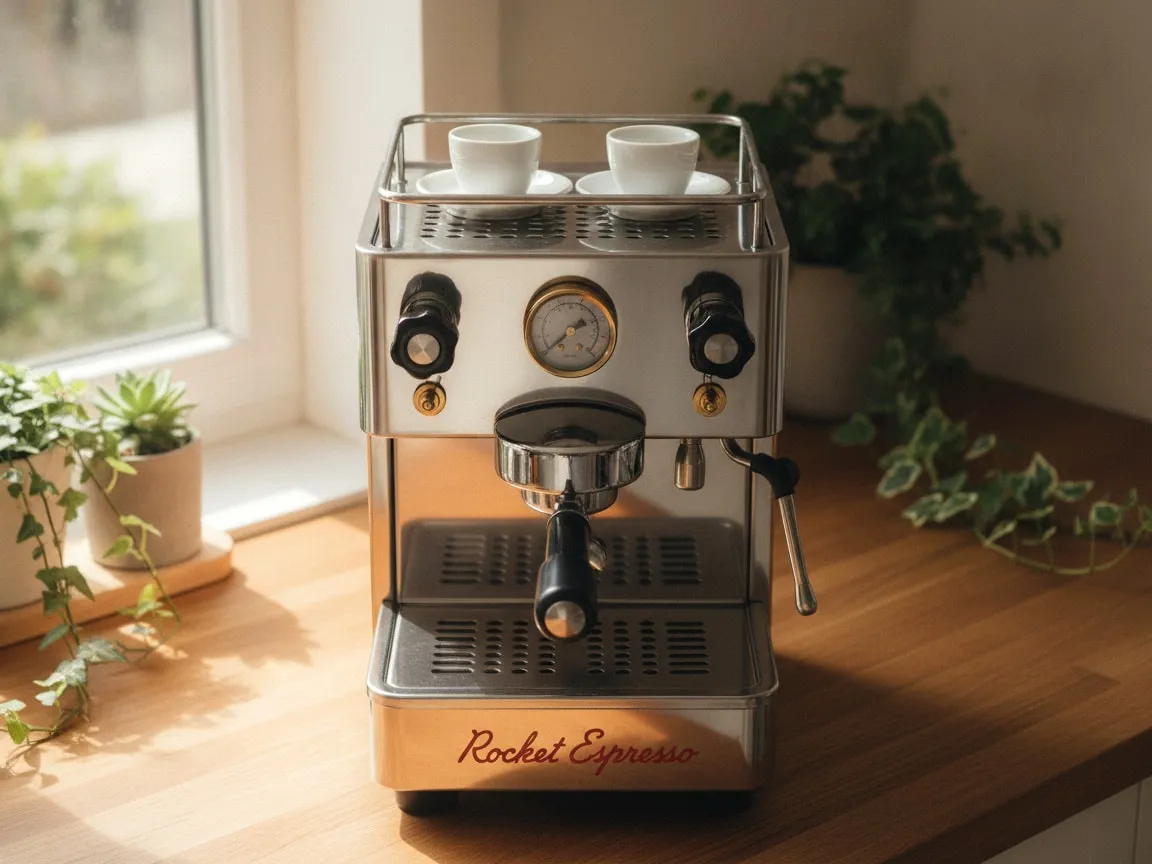
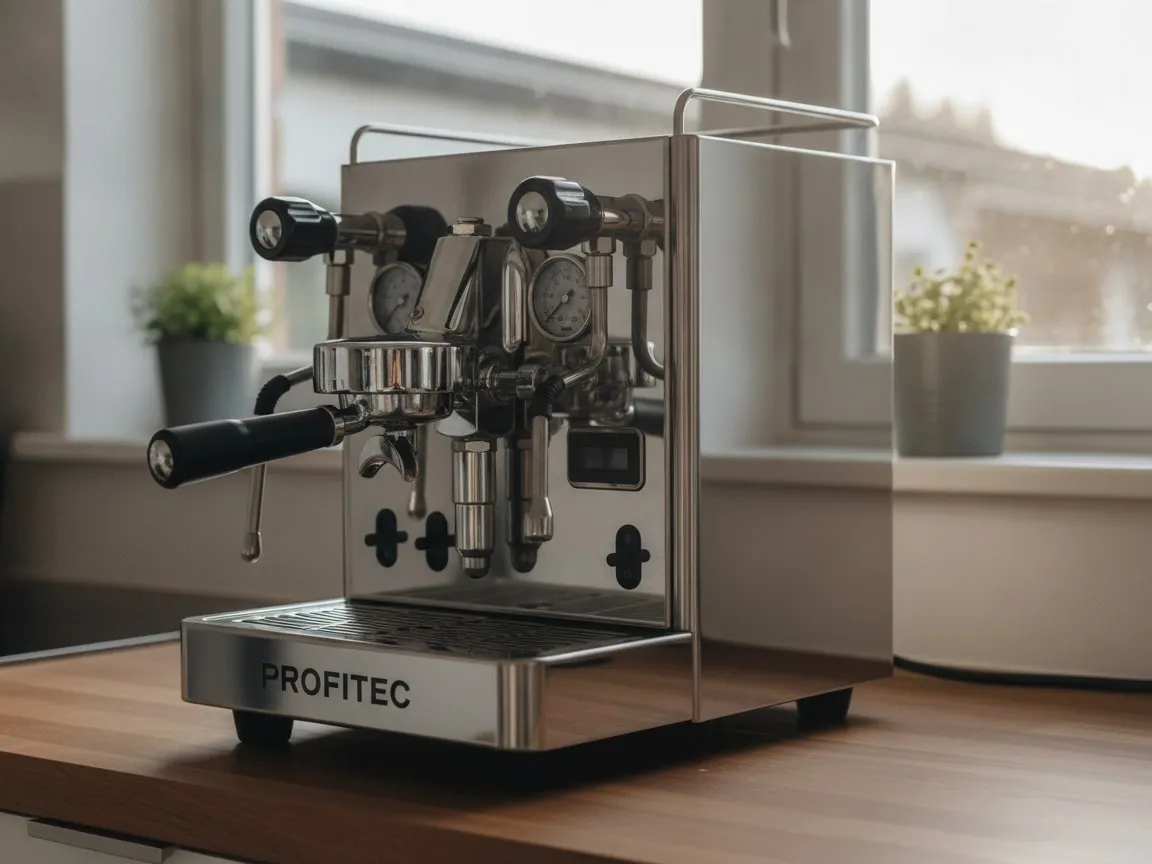
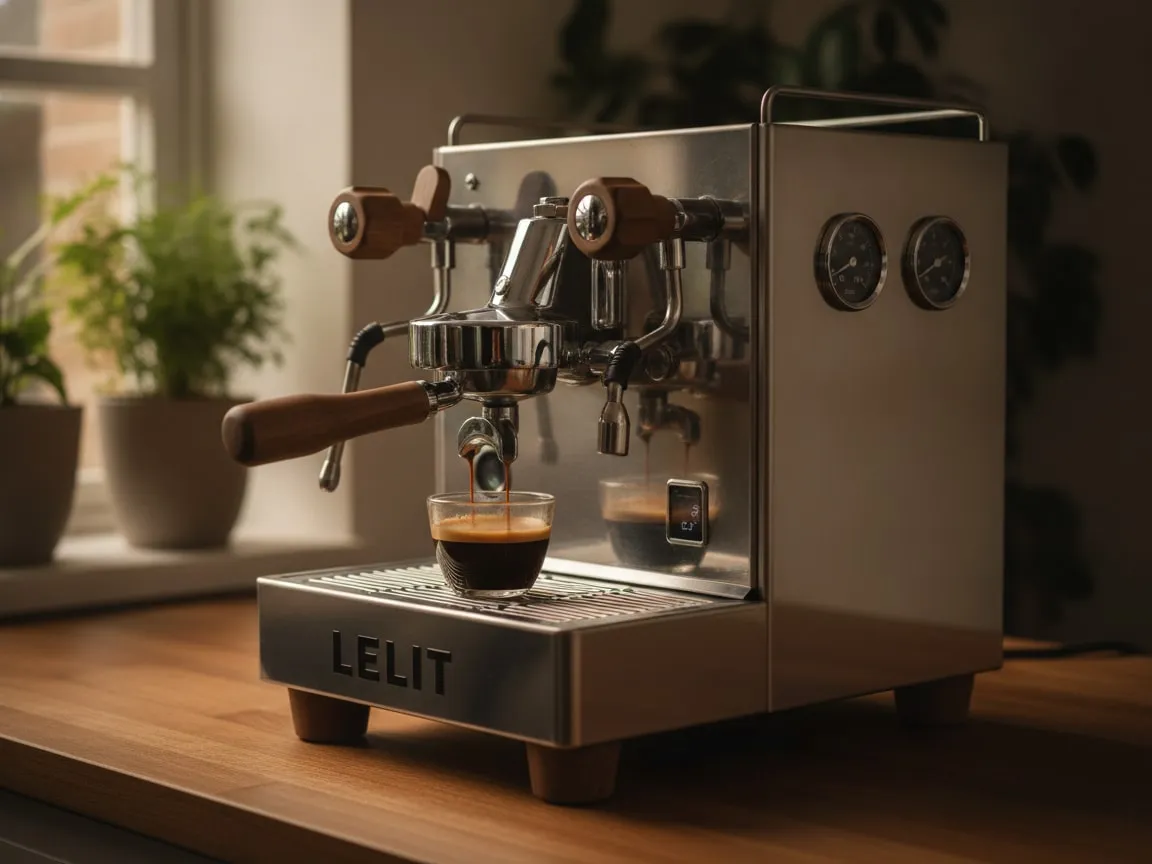
- Simple and rebuildable: single-group prosumer machines like Rocket, Profitec and Lelit, plus classics like the Rancilio Silvia and Gaggia Classic. When they come to us, it’s usually gaskets, shower screens, a pressure switch or a safety valve. Parts are easy to get and the machines can be brought back for years. Starting new instead? Our first-machine guide covers the same names, and the prosumer guide covers the step above them.
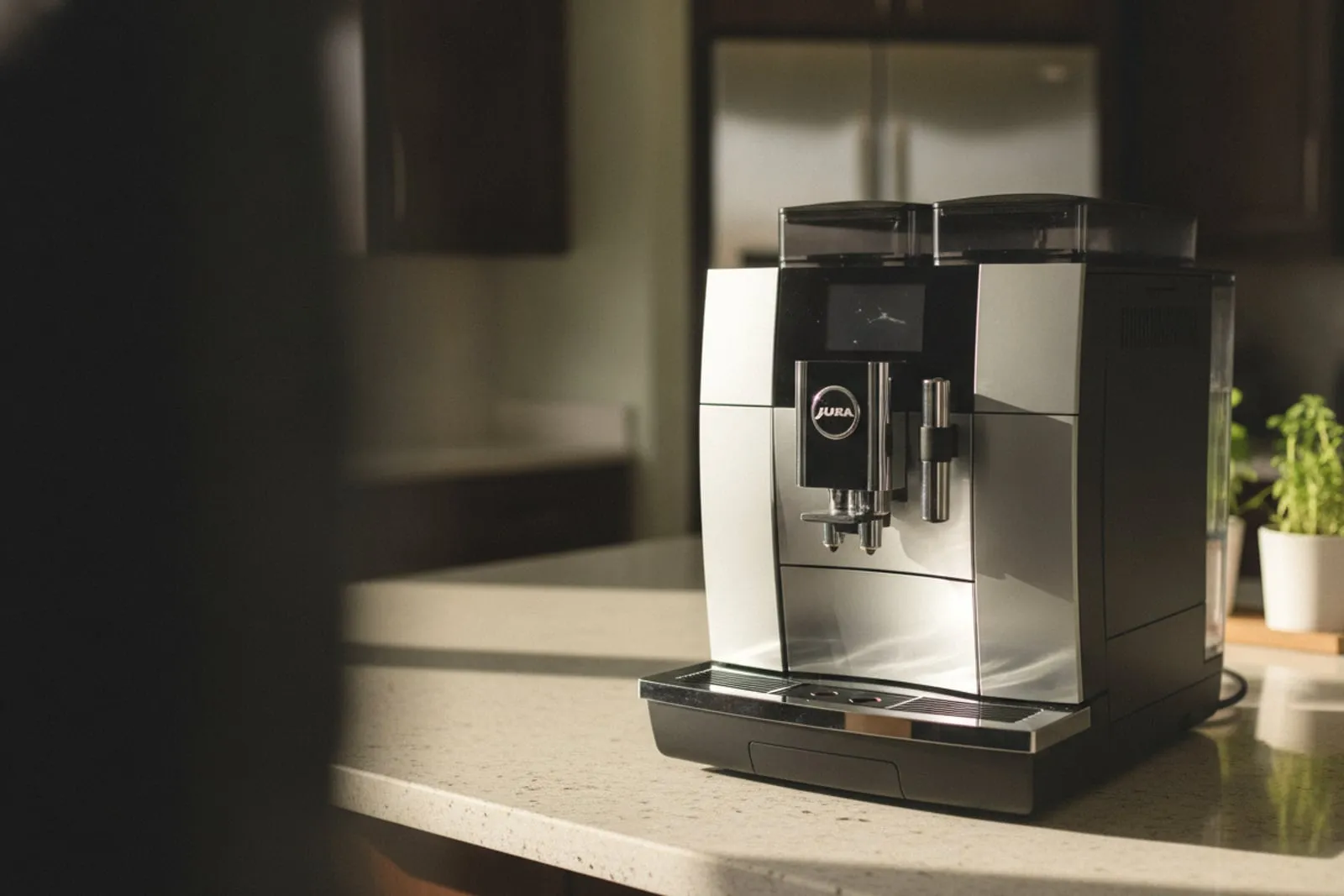
- Fine if serviced: super-automatics from Jura, Miele, De’Longhi and Philips. Expect to put a brew unit service into the budget. Our super-automatic buying guide covers what we see brand by brand.
- Higher risk used: all-in-one machines with two boilers, a built-in grinder and a crowd of electronics under one lid, like the Breville Oracle Touch. More systems means more ways for a used unit to surprise you.
Have it checked before you buy
If you’ve found a machine and want a second opinion before you pay, we can look at it. If you already bought it and something’s off: $145 diagnostic — includes pickup from your address and return delivery. It is credited in full toward the repair when you approve the estimate. See our pricing.