Best Espresso Machine for Beginners in 2026
Picking a first espresso machine under $1,000? What we see on the repair bench from Breville, Gaggia, Rancilio, De'Longhi and Philips, and what we'd buy.
If you’re shopping for your first espresso machine and want to stay under $1,000, you’re really choosing between two very different things. One is a semi-automatic with a portafilter, where you grind, dose, tamp and steam milk yourself and slowly get good at it. The other is a super-automatic, where you press a button and the machine does all of it.
Both are fine. But they fail differently, they ask different things of you, and the cheapest one to buy isn’t always the cheapest one to own. We repair these machines every week, so here’s what we’d tell a friend before they order one. Looking at a used one instead? Run our used-machine checklist first.
The short answer
- You want to learn espresso and keep it simple: Breville Bambino Plus or Gaggia Classic Evo Pro, plus a separate burr grinder.
- You want everything in one box, grinder included: Breville Barista Express or Barista Express Impress.
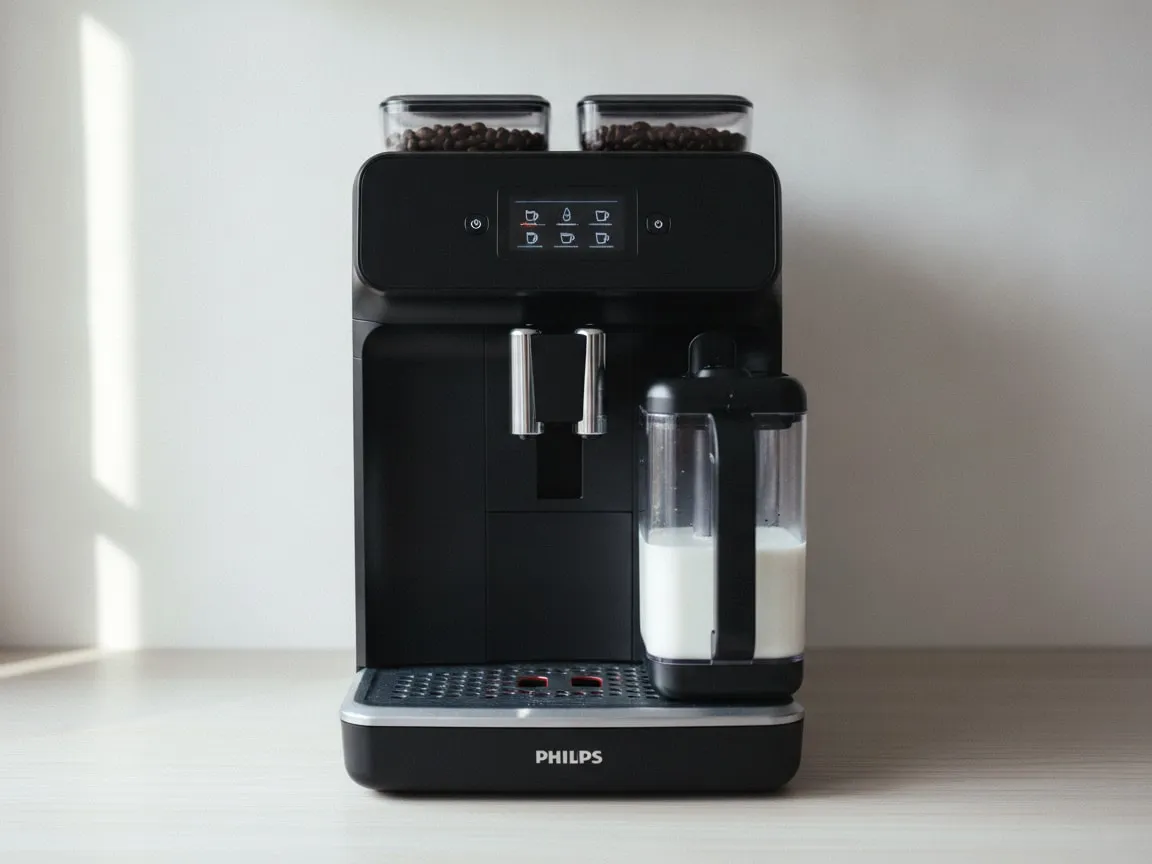
- You want buttons, not a new hobby: a super-automatic like the Philips 3200 or 4400 LatteGo, or the De’Longhi Magnifica Evo.
- You want a machine you can keep fixing for fifteen years: Rancilio Silvia, right at the top of this budget, plus a grinder.
Semi-automatic or super-automatic?
A semi-automatic gives you the best espresso per dollar, and it teaches you why a shot tastes the way it does. The trade-off is a learning curve. Expect a couple of weeks of sour, fast shots and flat milk before it clicks.
A super-automatic gives you a consistent latte on day one. The trade-off is more moving parts in one box: a grinder, a brew unit, pumps and valves, all of which need regular cleaning. Our super-automatic guide goes deep on that side.
If you’re not sure, ask yourself one honest question: do you want to make coffee, or do you want to have coffee? There’s no wrong answer, only a wrong machine for the answer.
What we see on the bench in this price range
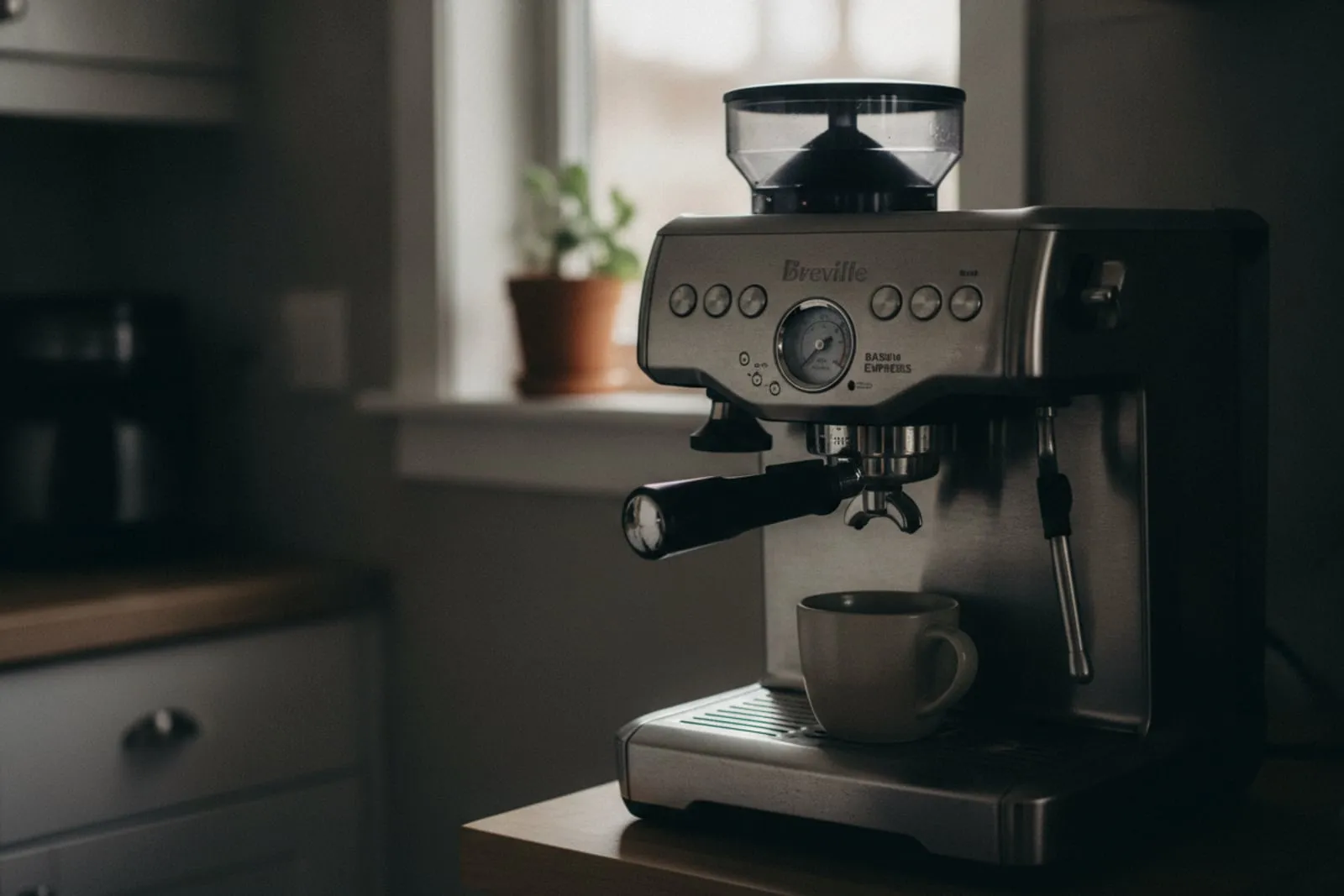
Breville’s all-in-one machines are the most common espresso machines we repair, mostly because so many of them are sold. Here’s what tends to bring them in:
- Worn grinder burrs. A Barista Touch came in with a grinder that had gotten loud and inconsistent. The fix was a new set of burrs. Burrs are a normal wear part, and they’re not expensive. The catch with an all-in-one machine is that when the grinder needs work, the whole espresso machine goes out with it.
- Scale. A Barista Express arrived with a pressure gauge stuck at zero. Mineral buildup had destroyed the gauge, and the same scale was sitting in the rest of the water path.
- Small internal leaks. On a Barista Pro, water was seeping from the hose connections at the heater. A cheap part, but you have to open the machine to find it.
- Shower screens and group gaskets. Routine wear on any machine with a portafilter. Cheap and quick when it’s done on time.
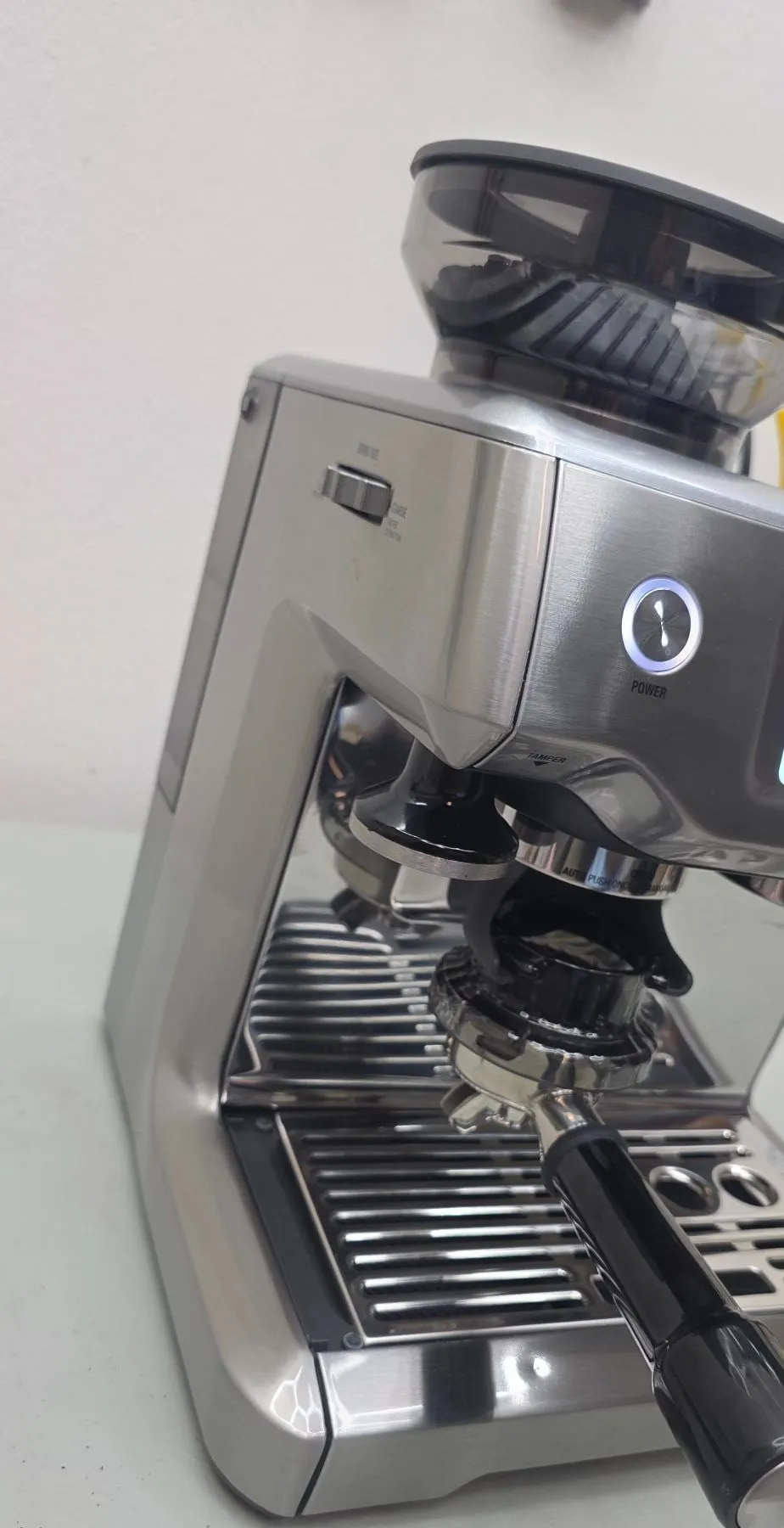
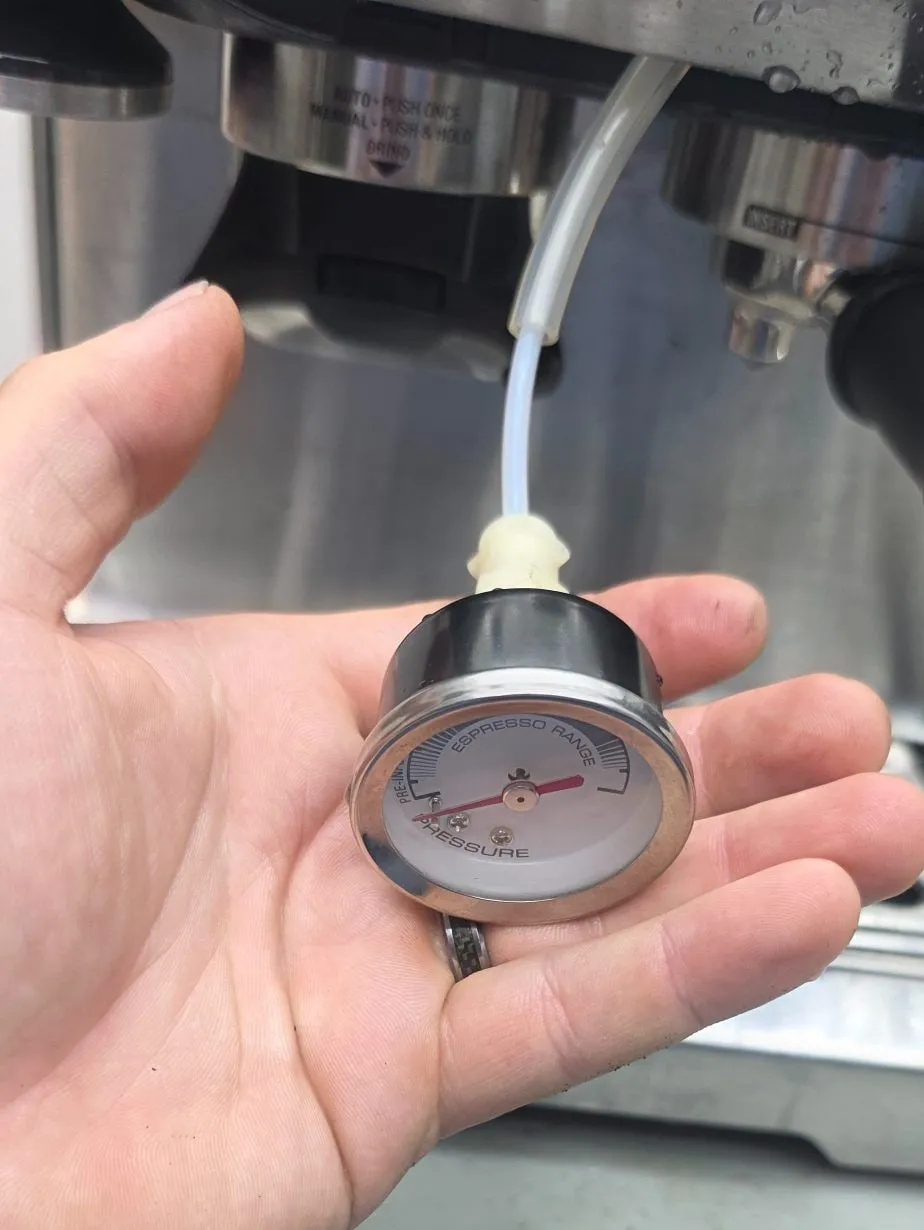
None of these are reasons to avoid Breville. They’re reasons to descale on schedule and not ignore a grinder that starts sounding different.
The machine that sat for two years
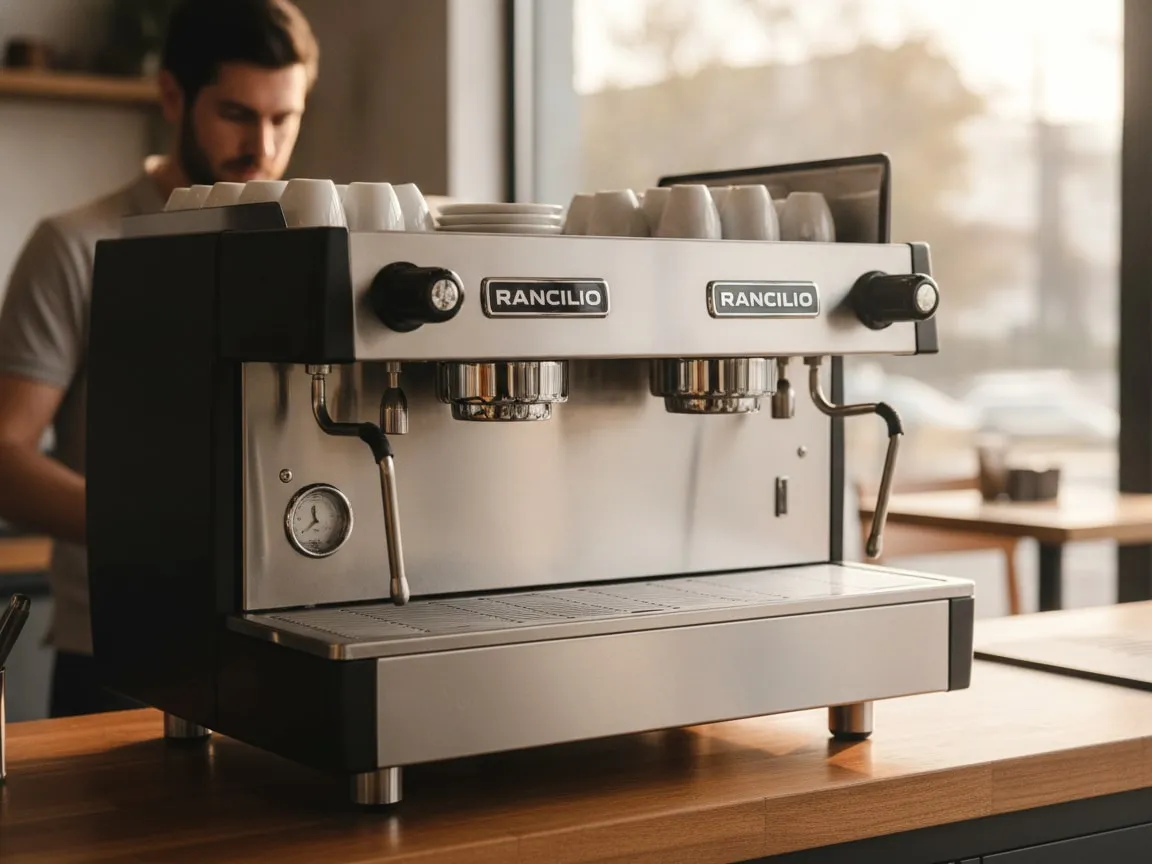
The best example of a “buy once, fix forever” machine we saw this fall was an older Rancilio Silvia without a PID. Its owner had bought it new years ago, then it sat unused for about two years. The pump still ran, but nothing came out.
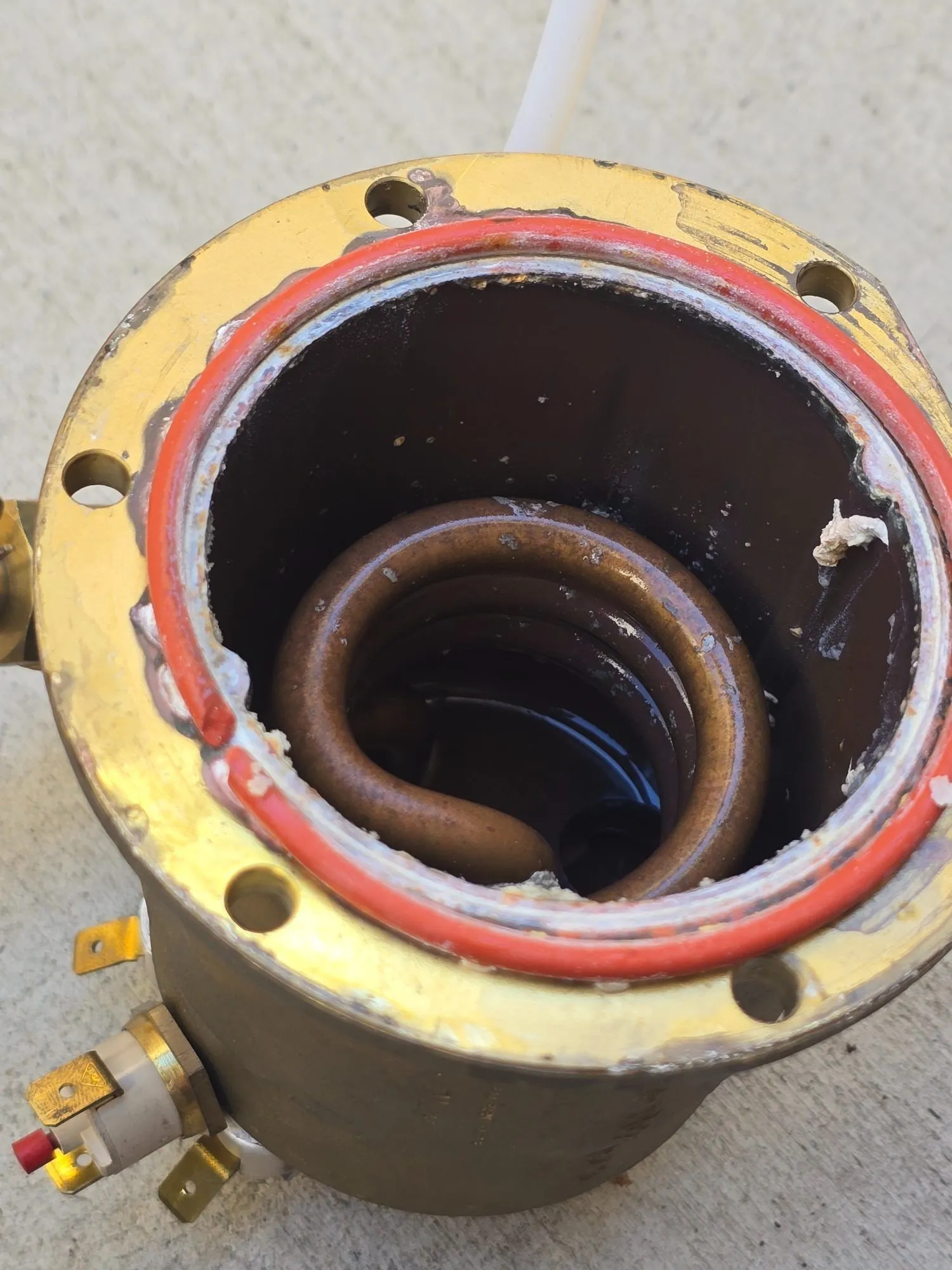
Inside, the boiler was coated with scale and the group gasket had hardened and cracked. We took the boiler apart, cleaned out the scale, replaced the gaskets and tested it. It went home working.
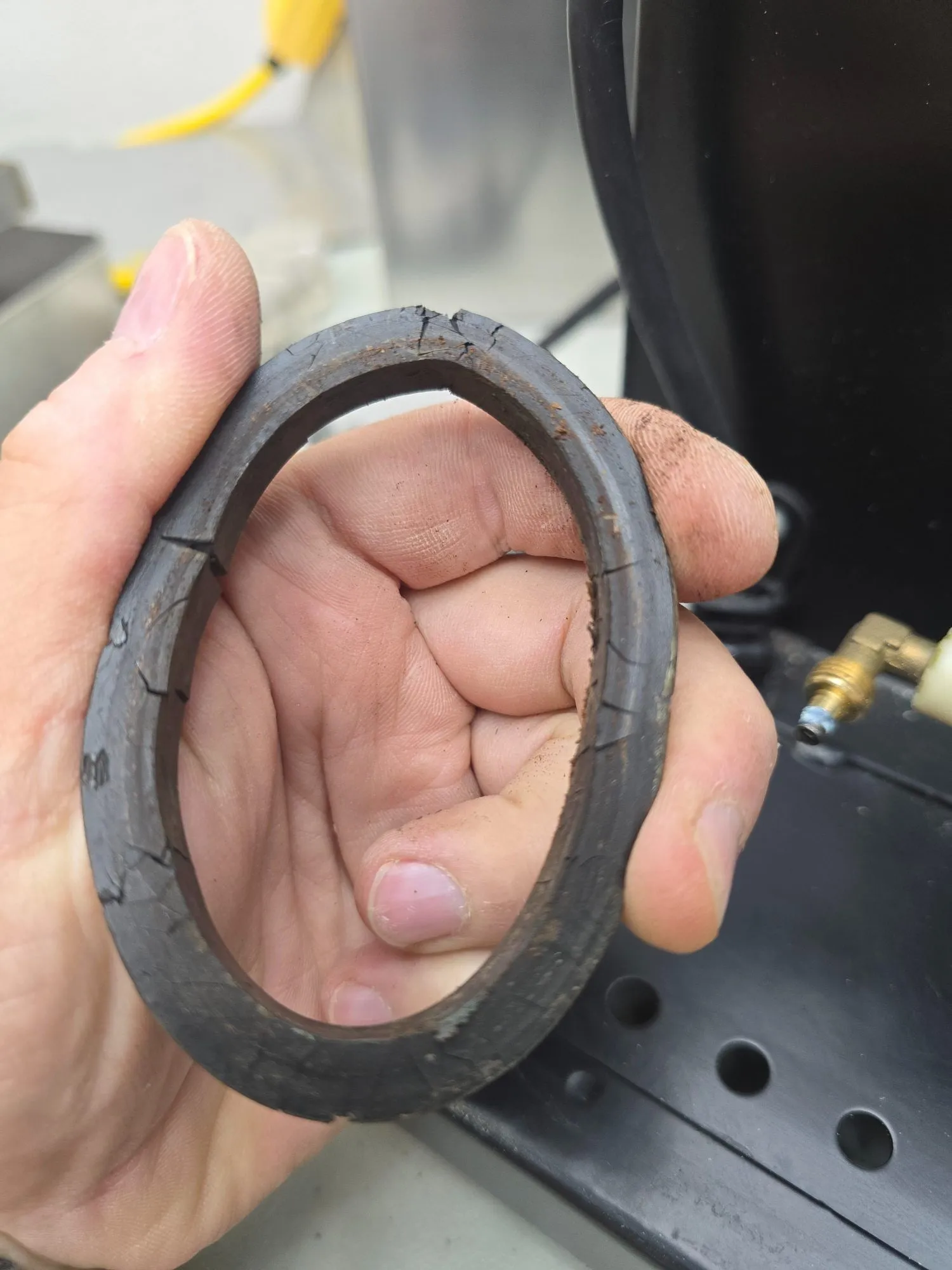
That’s the real argument for simple machines. There’s nothing exotic inside a Silvia or a Gaggia Classic. Gaskets, screens, a boiler, a pump. Everything can be taken apart and brought back.
Budget for a grinder
This is the mistake we see most often with first espresso machines. The grinder matters as much as the machine. A good machine with a poor grinder makes poor espresso.
If you go with a machine that has no grinder, like a Bambino, Gaggia Classic or Silvia, set aside a real part of your budget for a decent burr grinder. If you buy an all-in-one like the Barista Express, you’re getting a grinder that’s good enough to learn on, built into the machine.
Machine by machine
Breville Bambino and Bambino Plus ($300, $500). Small, heats up in seconds, and the Plus steams milk for you. A gentle way to start. No grinder.
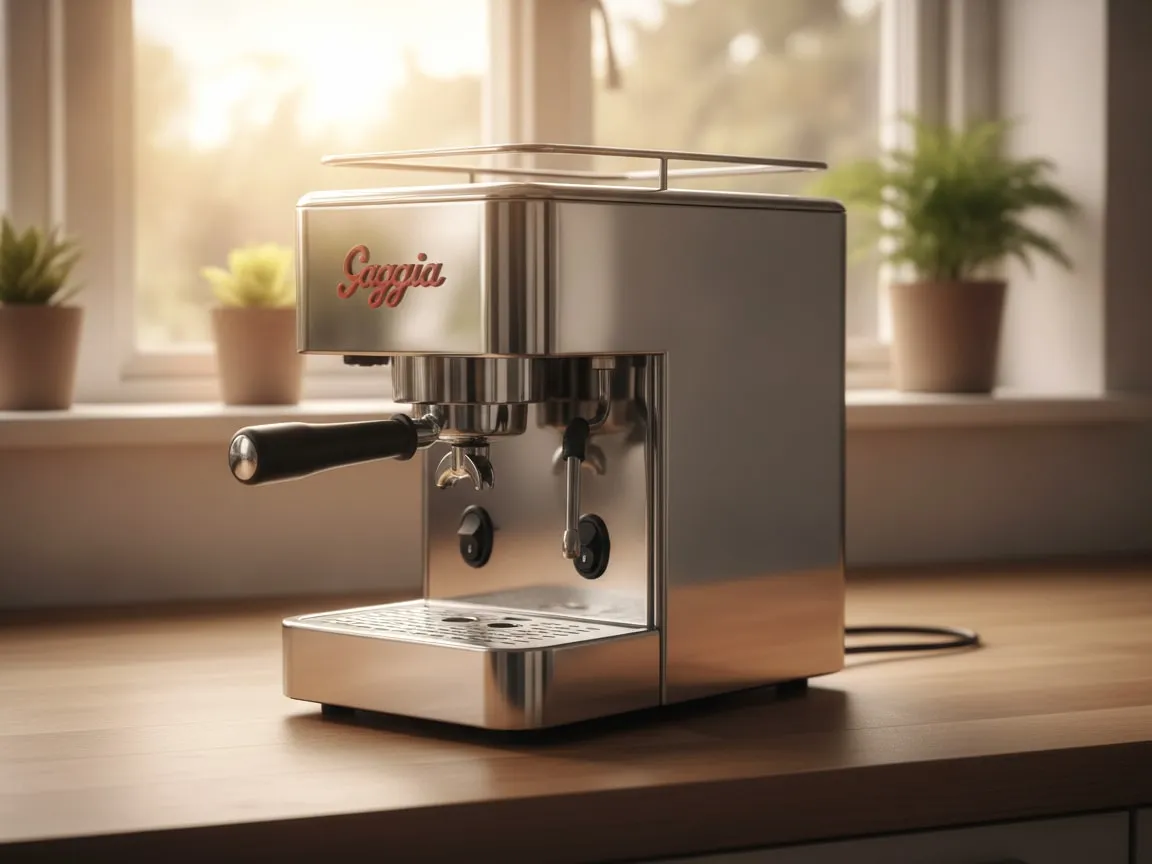
Gaggia Classic Evo Pro ($500–$550). A commercial-size portafilter, a simple layout and parts that are easy to find. Steaming takes practice. No grinder.
Breville Barista Express, Express Impress and Barista Pro ($500 to $850). The classic all-in-one starter. The Impress helps with dosing and tamping. Expect to deal with burrs and descaling over the years.
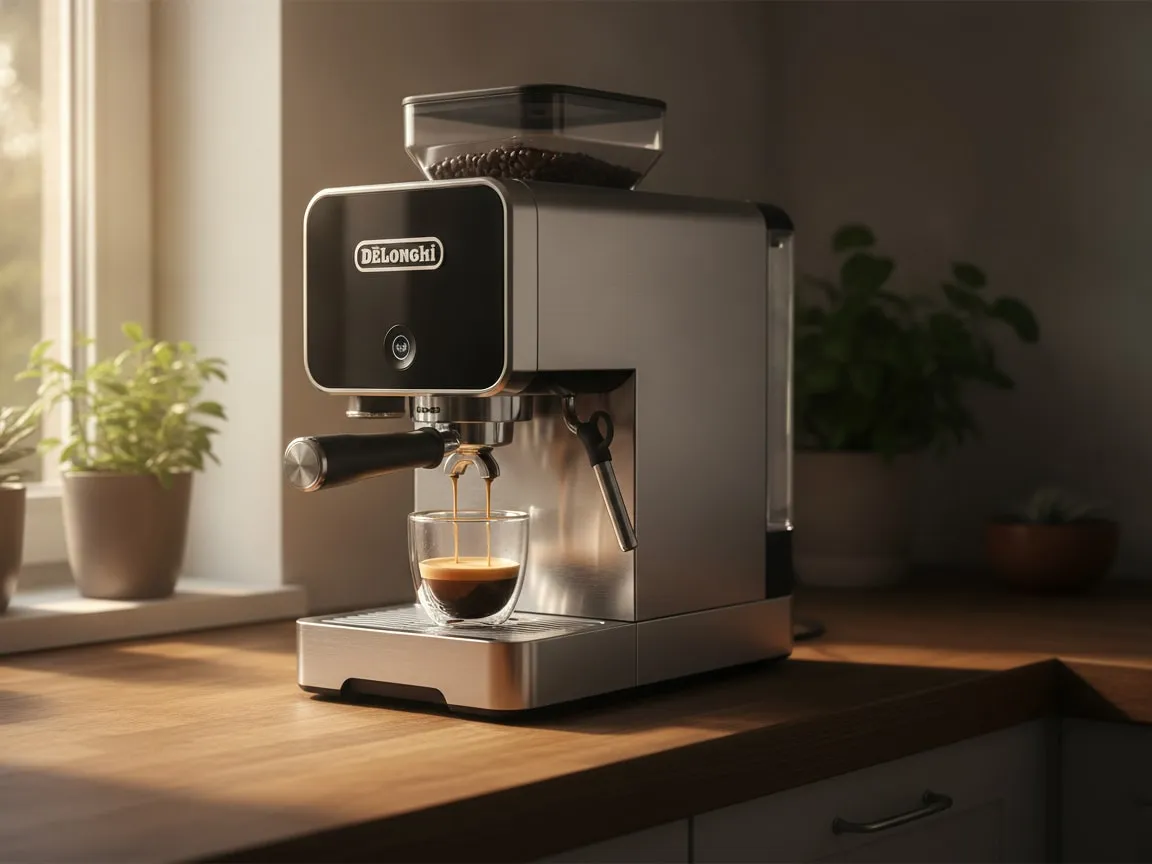
De’Longhi La Specialista Arte Evo ($400–$700). An all-in-one with a built-in grinder, often on sale. A solid option if the Breville models are out of budget.
Philips 3200 / 4400 LatteGo and De’Longhi Magnifica Evo ($500–$800, $750). Super-automatics for people who want a button. Rinse the brew unit weekly.
Rancilio Silvia ($1,000). Heavy, simple and rebuildable. The steepest learning curve on this list, and the longest life if you look after it. No grinder. Outgrown all of these? Step up to a prosumer machine.
Side by side
| Machine | Type | Built-in grinder | Typical US price (Nov 2026) | What we see on the bench | Learning curve |
|---|---|---|---|---|---|
| Breville Bambino Plus | Semi-auto | No | $500 | Rarely in for repair so far | Low |
| Gaggia Classic Evo Pro | Semi-auto | No | $500–$550 | Gaskets, screens | Medium |
| Breville Barista Express / Impress | Semi-auto | Yes | $500–$800 | Burrs, scale, gaskets | Medium |
| Breville Barista Pro | Semi-auto | Yes | $700–$850 | Internal leaks, grinder | Medium |
| De’Longhi La Specialista Arte Evo | Semi-auto | Yes | $400–$700 | Not enough on our bench to say | Medium |
| Philips 3200 / 4400 LatteGo | Super-auto | Yes | $500–$800 | Not enough on our bench to say | Low |
| Rancilio Silvia | Semi-auto | No | $1,000 | Scale, gaskets after years of use | High |
Prices change constantly with sales. Check before you buy.
Four habits that keep a first machine alive
- Use filtered water and descale on schedule. Southern California water is hard, and scale is behind most of the gauge, heater and pump failures we fix. Our water filter guide explains what to use.
- Keep the group clean. Wipe the shower screen after use and backflush if your machine allows it.
- Replace the group gasket when it gets hard. If the portafilter starts locking further around than it used to, the gasket is going.
- Listen to your grinder. If it gets louder or your shots suddenly run fast, check the burrs before something else wears out.
If something already feels off, we can take a look. $145 diagnostic — includes pickup from your address and return delivery. It is credited in full toward the repair when you approve the estimate. See our pricing.