Best Super-Automatic Espresso Machine 2026
We had 15 super-automatics apart this fall: Jura, Miele, De'Longhi, Saeco, Gaggia, Breville Oracle. What clogs, what breaks, and what we'd buy.
Most “best super-automatic” lists are written by someone who unboxed a machine, made lattes for three weeks and moved on. We see the other end of that story. The machine that quit brewing in year four. The one that trips the GFCI every morning. The one whose owner swears they descale “all the time.”
Between September and November 2026, fifteen super-automatics and Breville Oracles went across our bench: Jura, Miele, De’Longhi, Saeco, Gaggia and Breville. That is not a reliability study, and we won’t dress it up as one. Brands that sell more machines show up more often. But when you’ve had fifteen of these apart in eight weeks, the patterns get hard to ignore, and they change what we’d tell a friend who’s about to spend $1,500 to $3,000 on one.
The short answer
- Least hands-on cleaning: a mid-range Jura (E8 or S8). You pay for it up front, and you still have to run the cleaning tablets.
- Best value: a Philips 4400/5500 LatteGo or a De’Longhi Dinamica Plus. Cheap to keep running, if you actually rinse the brew unit every week.
- Milk drinks, quiet kitchen, bigger budget: Miele CM 6160 or CM 6360.
- You secretly want to be a barista: that’s not a super-automatic. Look at the Breville Oracle Jet, and read our note on Oracles below first.
- An office pulling 20+ drinks a day: buy a commercial machine. A home unit run into the ground costs more in the end.
What actually kills a super-automatic
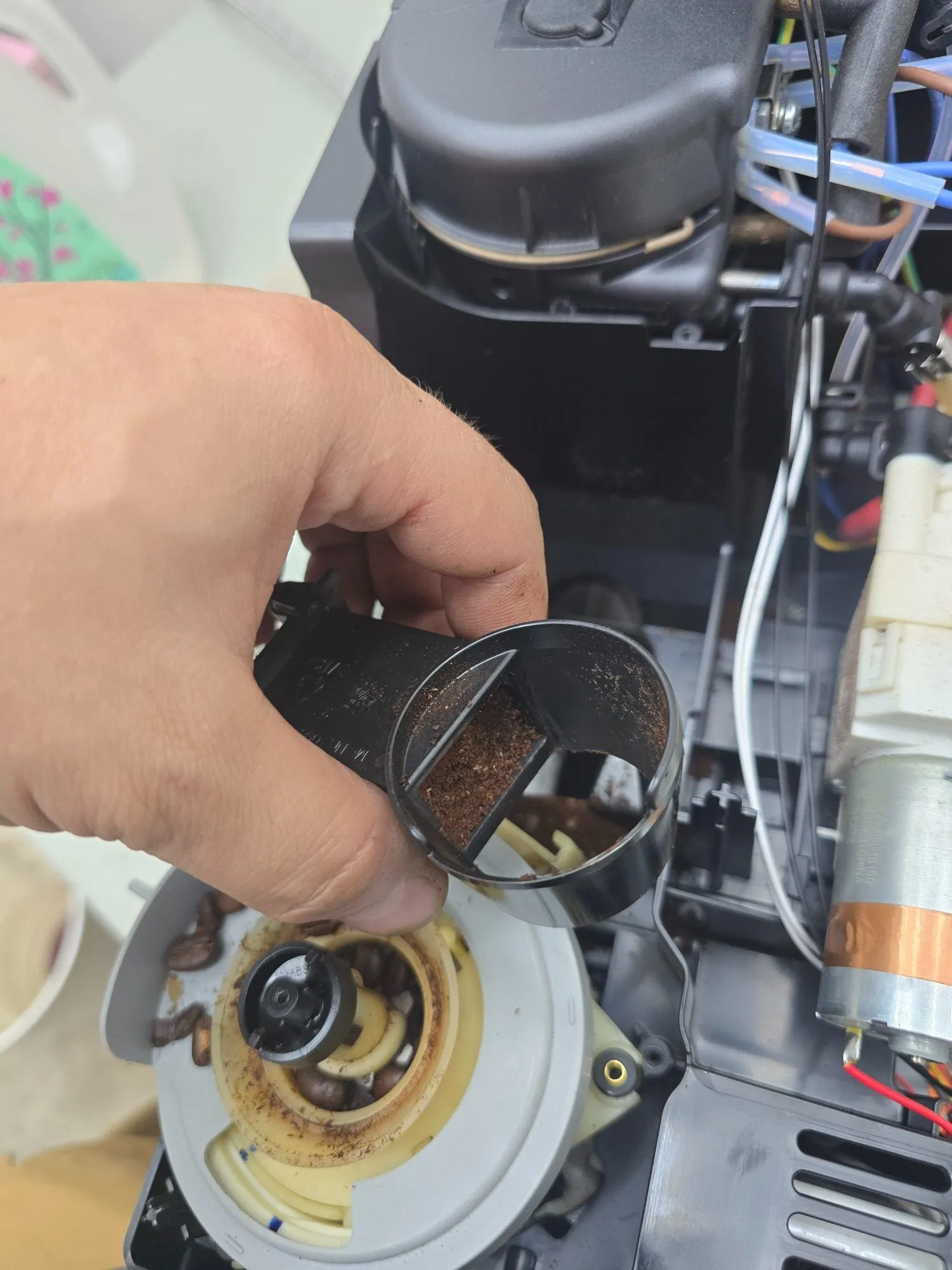
Here’s the uncomfortable part. Most of the machines we opened this fall did not have a failed part at the root of the problem. They were packed.
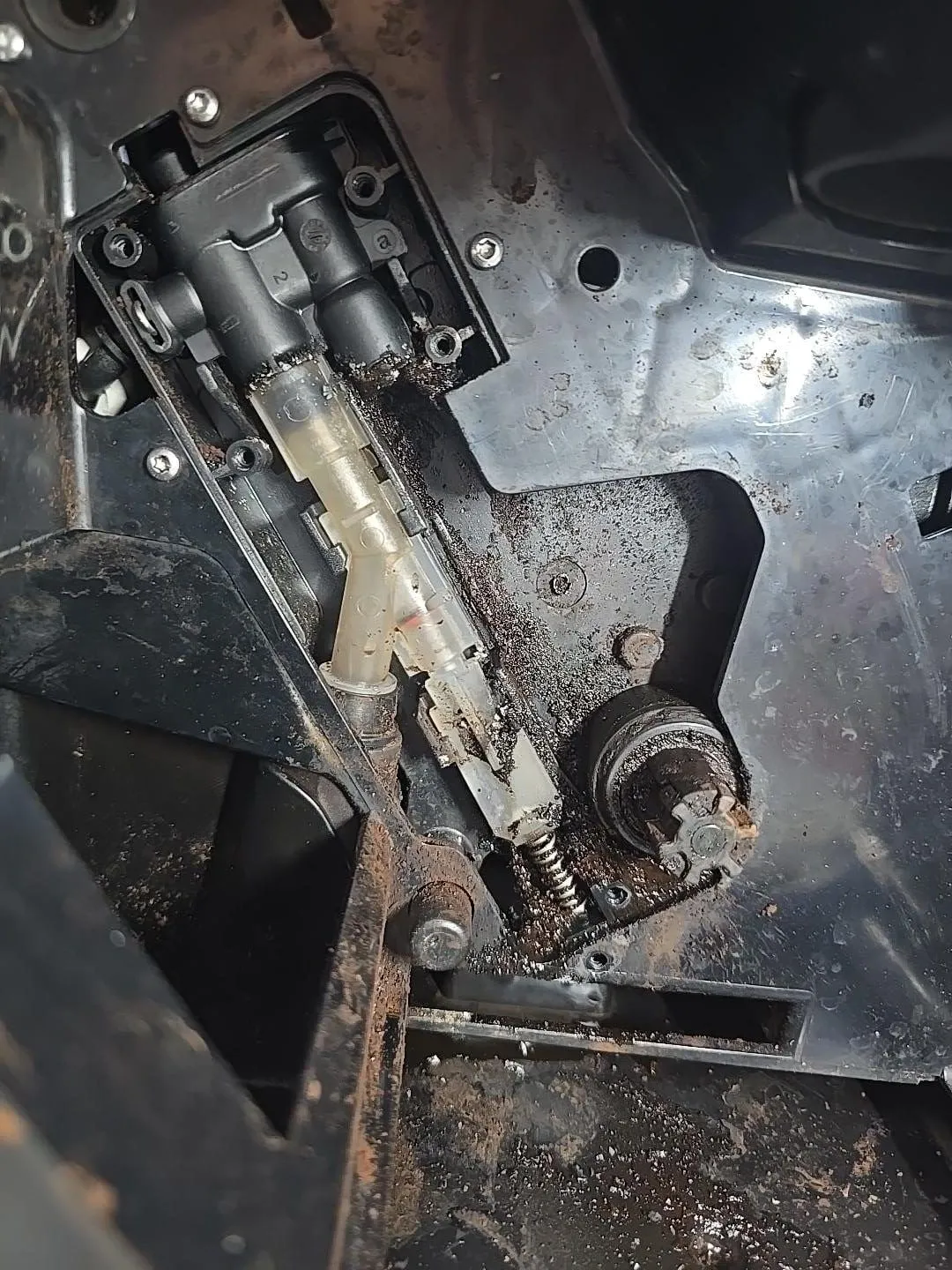
- A Miele CM6350: the owner noticed the pucks getting smaller, then the machine started saying the bean hopper was empty when it was full, then it stopped brewing. Ground coffee and oils had compacted solid in the chute between the grinder and the brew unit.
- A Miele CM6360 that ground beans and dispensed nothing. The whole coffee path, brew unit to spout, was blocked with hardened residue. No mechanical damage anywhere.
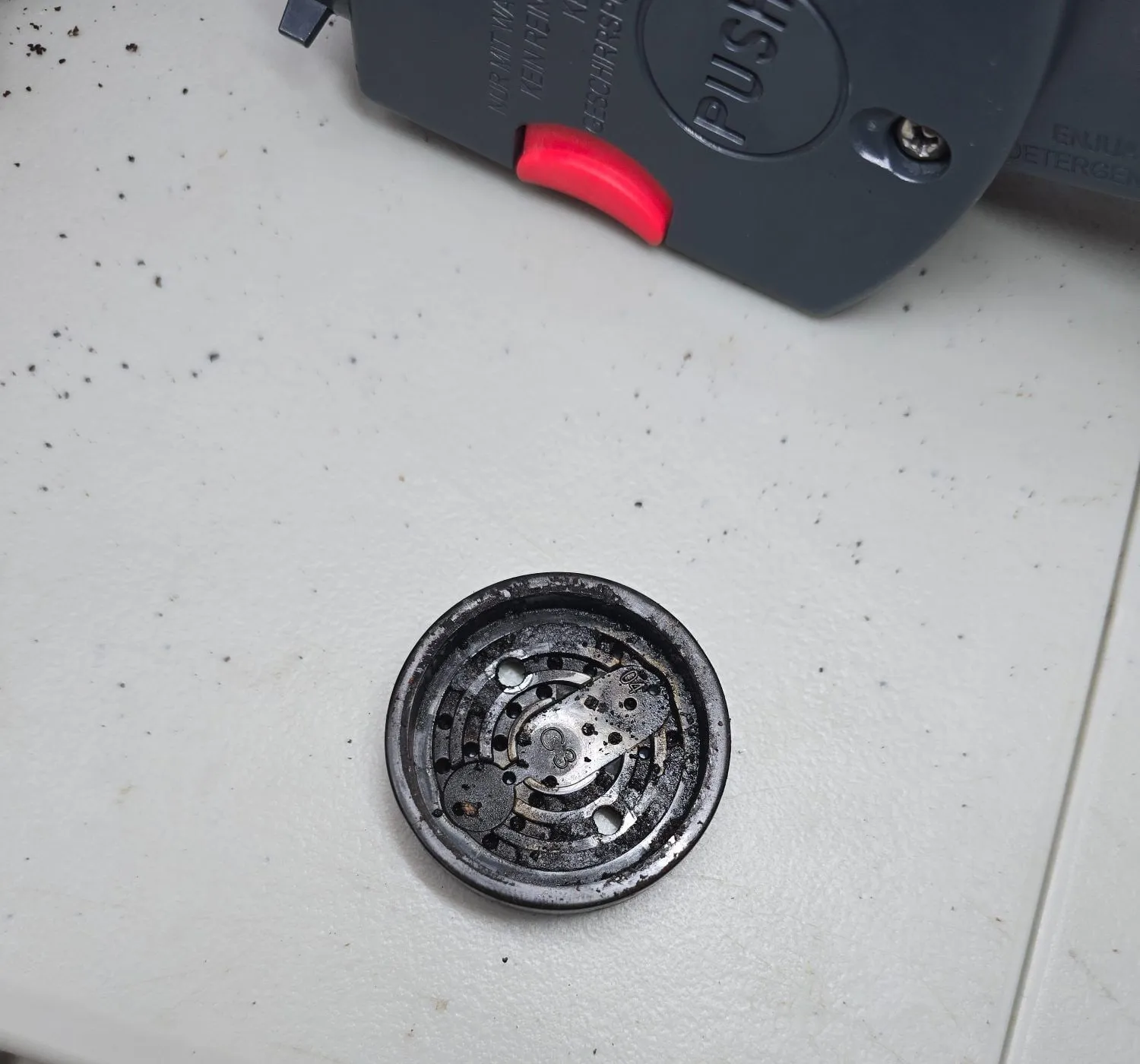
- A De’Longhi Dinamica Plus that ran its full cycle and dumped dry grounds in the bin. The water inlet screen on the brew unit was clogged, so water never reached the coffee.
- A four-year-old Jura ENA 4 with a jammed brewer. Inside: old coffee, mold and actual spider webs.
- A Jura E8 making weak, short drinks. Same story, bad enough that the estimate included sanitizing the food-contact parts.
None of these needed an exotic part. They needed the brew unit and coffee path taken apart, cleaned, resealed and descaled. That’s good news and bad news. Good, because the repair is predictable. Bad, because bringing a neglected machine back costs real money: home super-automatic repairs on our bench this fall landed roughly between $520 and $950. One Jura E8 that needed a full overhaul plus sanitation came to $1,349, and the owner bought a new machine instead. At that number, honestly, we understood.
So the most useful buying advice we can give: the best machine is the one whose cleaning routine you will actually keep up with.
Sealed vs. removable brew unit
Every super-automatic has a brew unit, the piston-and-chamber assembly that tamps, brews and kicks out the puck. Brands split on whether you can get at it.
Removable (De’Longhi, Philips/Saeco, Miele, Gaggia): it slides out and you rinse it under the tap. Cheap to own if you do that weekly. If you don’t, it packs up exactly like the machines above. A removable unit didn’t save the two Mieles or the Dinamica.
Sealed (Jura): you never touch it. The machine cleans it with tablets. Less work day to day, but when the brewer itself needs seals or jams, it’s a bench job. Our Jura E8 parts diagram shows where it sits.
Neither design is “more reliable.” A removable unit rewards a careful owner and punishes a lazy one. A sealed unit forgives a lazy owner for longer, then hands over a bigger bill. Pick the one that matches how you actually live.
Brand by brand
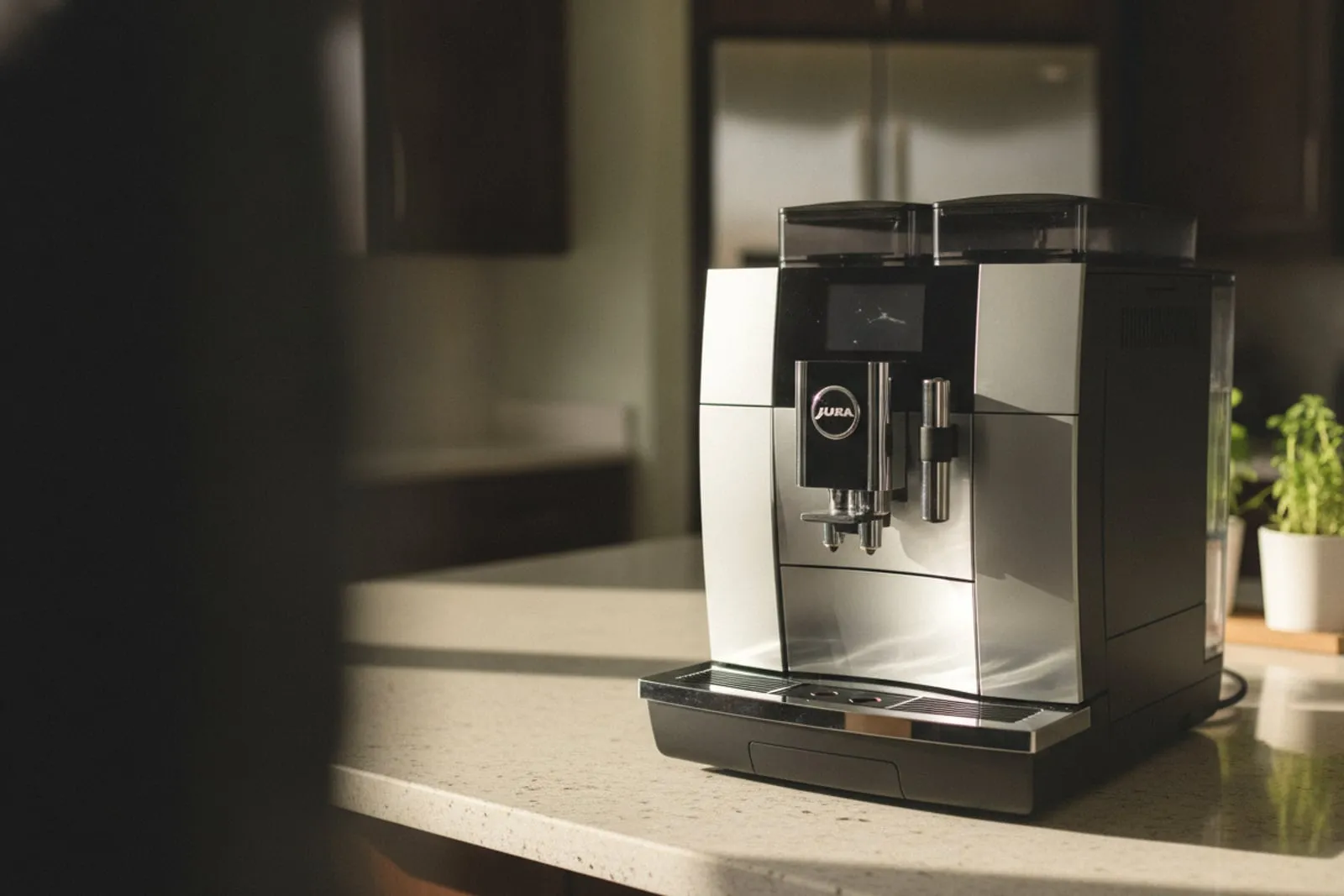
Jura (ENA 4, E8, S8, J8, Z10)
Lineup and price: the ENA 4 is the compact entry point. The E8, S8 and J8 tier runs roughly $1,900 to $2,600 in the US, and the Z10 starts around $3,000. Jura’s US prices sit well above Europe’s and went up again in 2026.
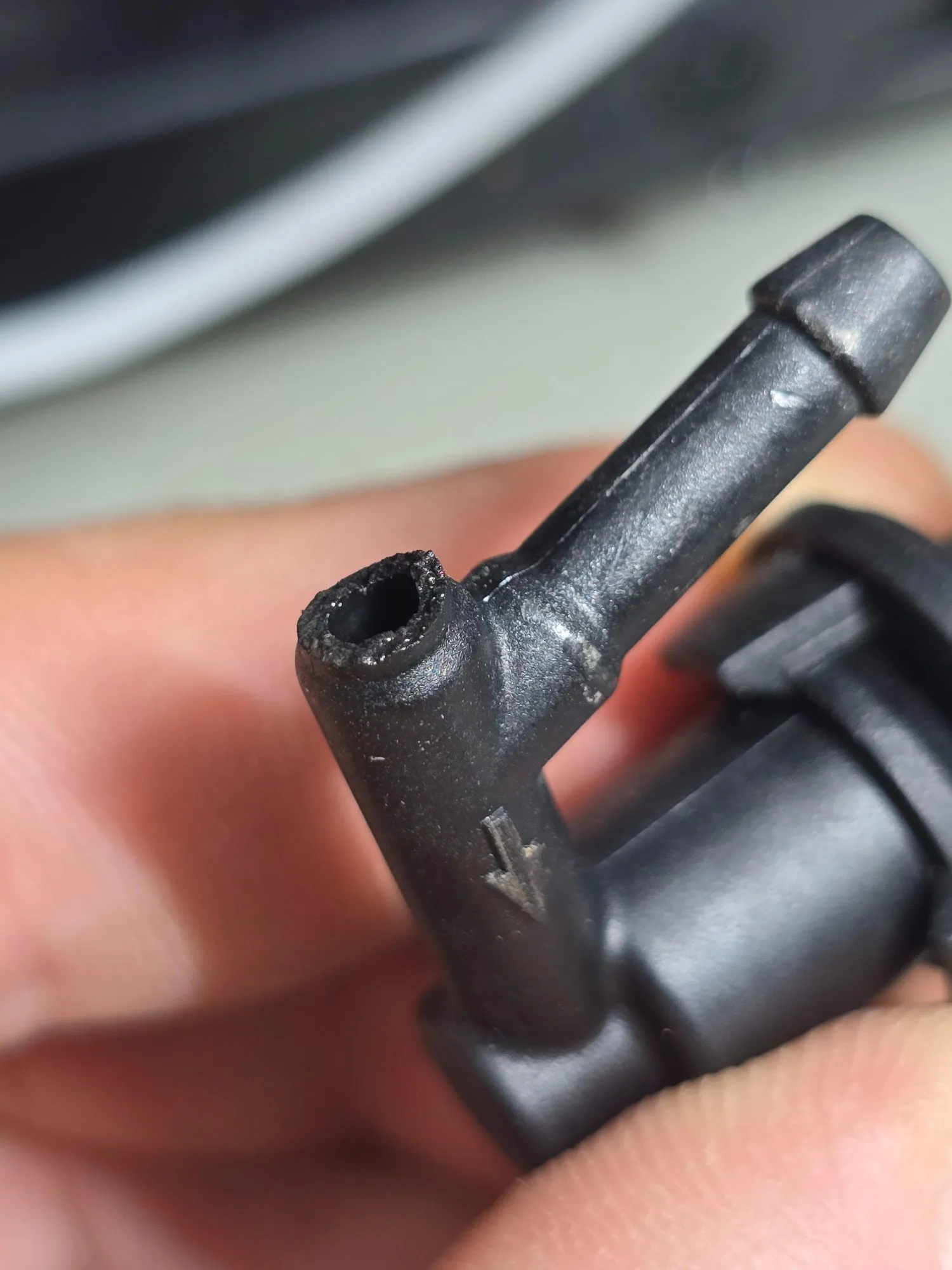
What we see: brewers jammed by old coffee on machines that skipped cleaning cycles. And one specific leak on the E8/WE8 family: the Y-shaped outlet valve, where coffee and water lines meet, cracks or clogs. It’s a small part, but the machine has to come apart to reach it.
Buy it if: you want espresso and milk drinks with almost no hands-on cleaning, and you’ll actually run the tablets and use the water filter.
Watch out for: seal service on a sealed brewer isn’t a DIY job. At heavy use, plan on professional service every couple of years. Our Jura service is flat-rate.
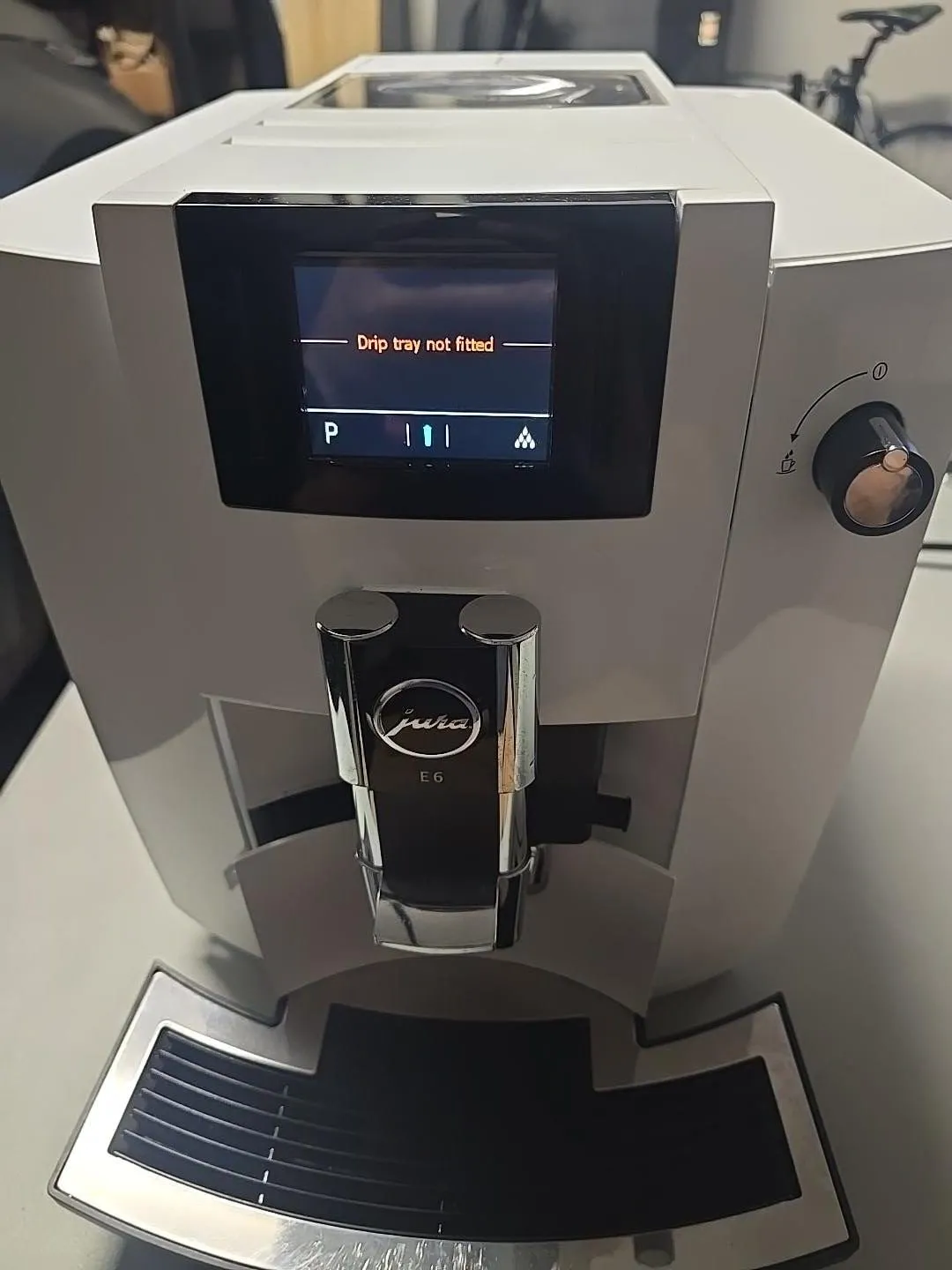
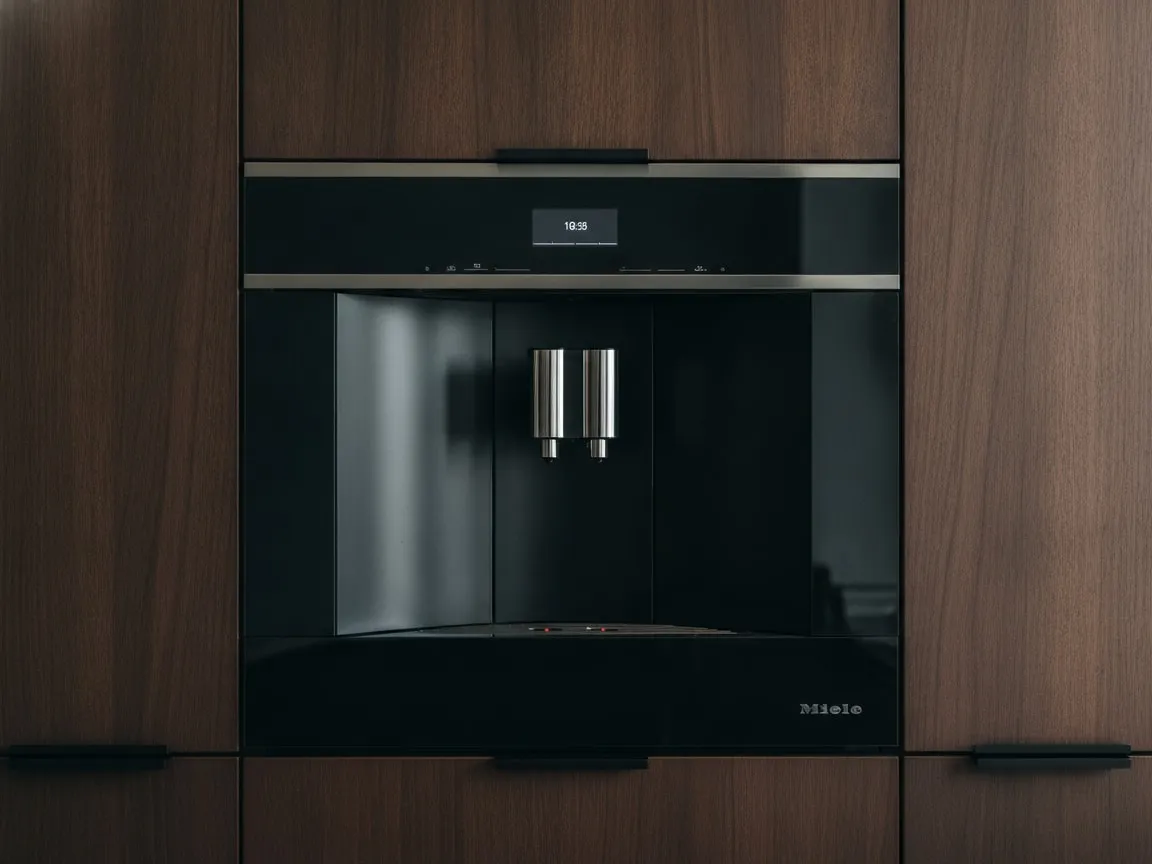
Miele (CM 6160, CM 6360, CM 7750)
Lineup and price: the CM 6160 and CM 6360 sit around $2,700 to $3,000 at Miele USA and are often on promo. The CM 7750 is the flagship and costs a lot more. Miele also makes built-in CVA models, which are a different service conversation. More on built-in machines.
What we see: chute and coffee-path blockages. The machines themselves are well built. On none of the three did we find drive or housing damage.
Buy it if: you drink mostly milk drinks, care about a quiet grinder, and will pull and rinse the brew unit.
Watch out for: very oily dark roasts pack the chute faster. If your pucks start shrinking, act then. It’s a much cheaper fix early.
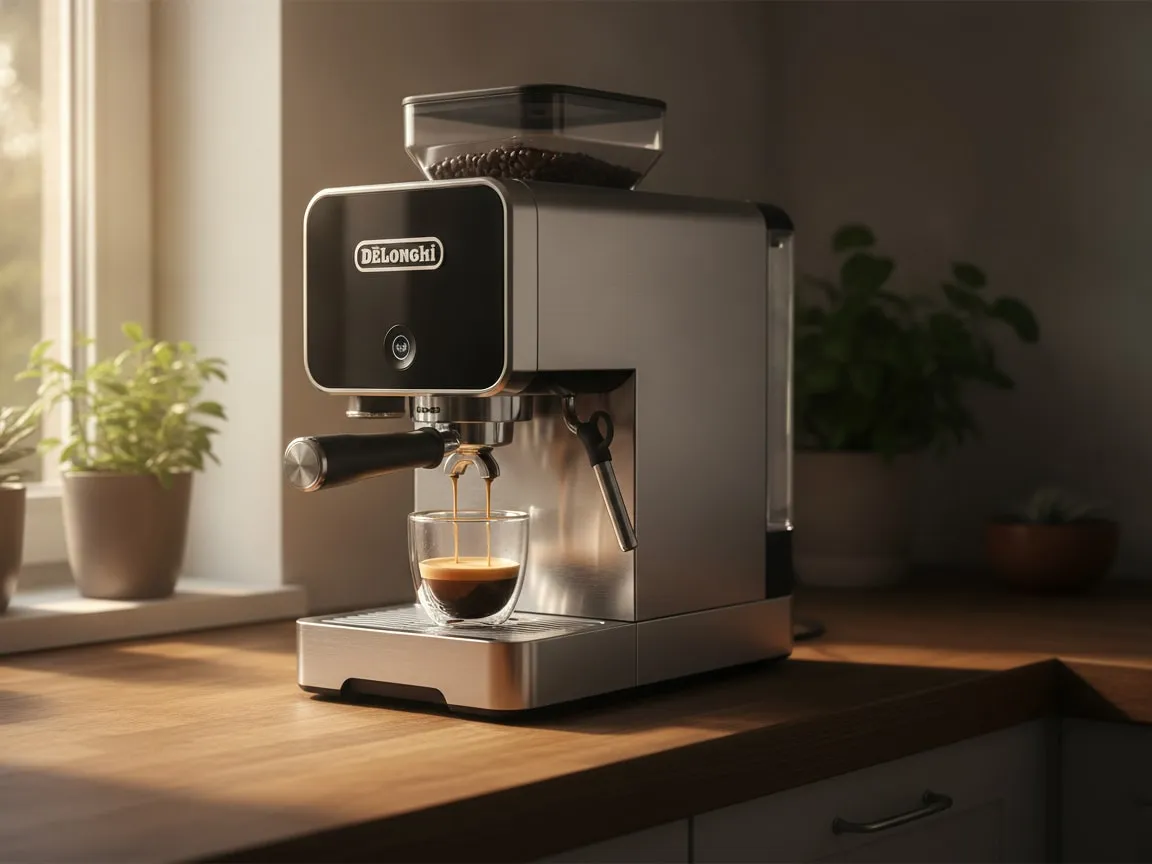
De’Longhi (Magnifica, Dinamica Plus, Rivelia, Eletta Explore)
Lineup and price: Magnifica models sit under $1,000. The Dinamica Plus lists around $1,500 to $1,700, the Eletta Explore around $2,000, and both get discounted often.
What we see: clogged brew units (the Dinamica above) and worn grinder assemblies. An older Eletta Cappuccino came in needing a new grinder.
Buy it if: you want the most machine per dollar in the middle of the market.
Watch out for: on older models the grinder is the expensive wear item.
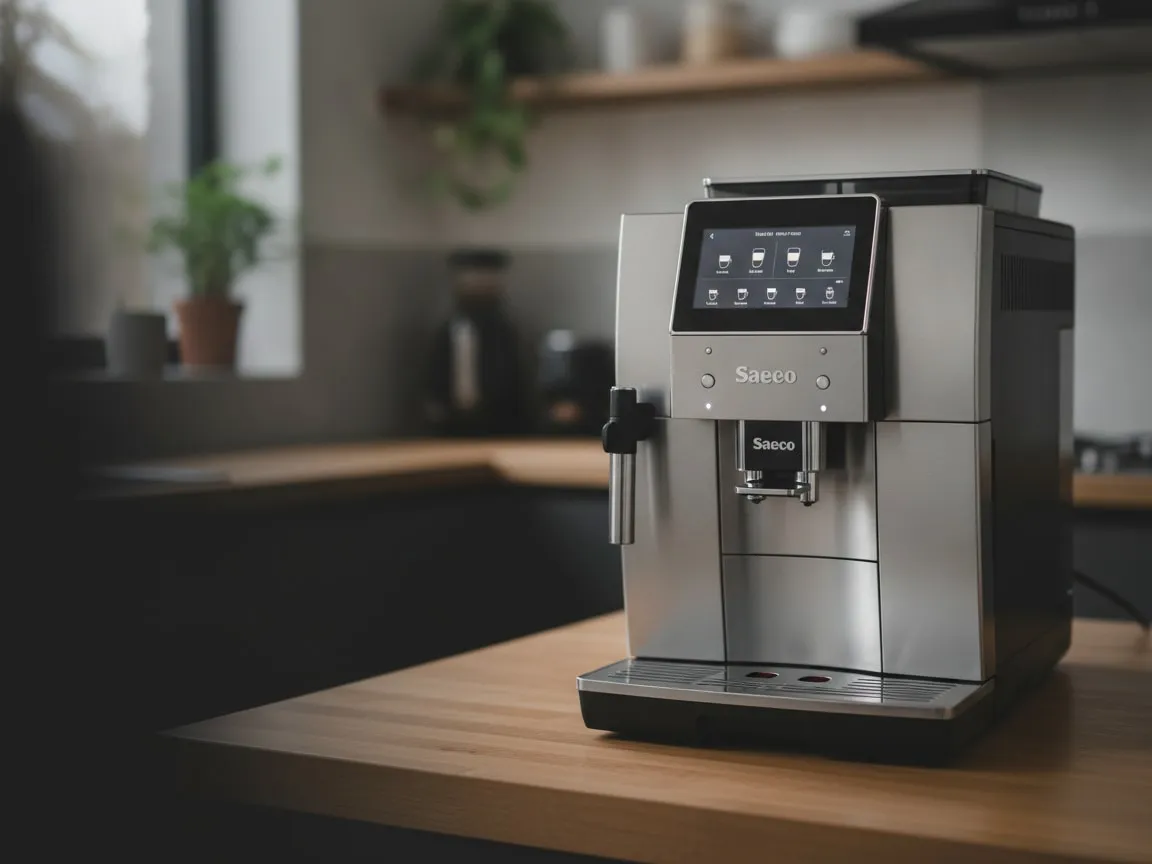
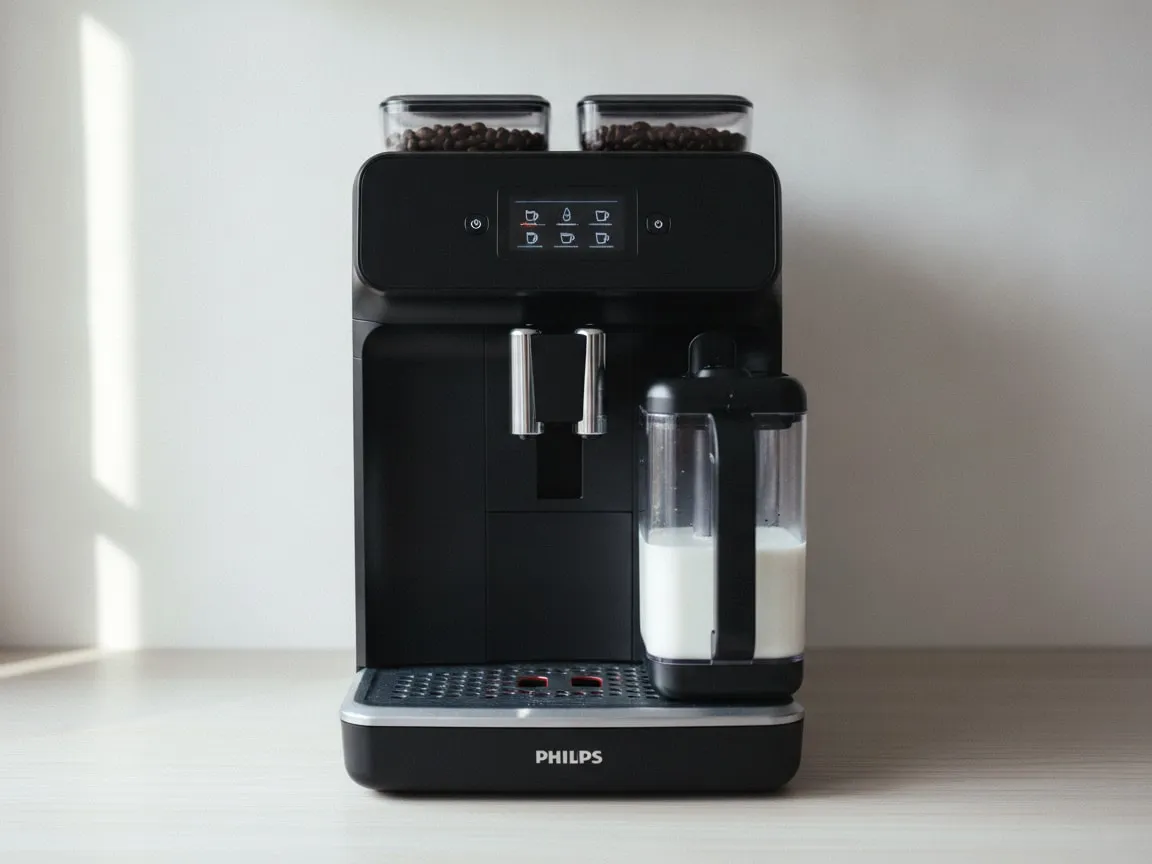
Philips and Saeco (3200, 4400, 5500 LatteGo; Saeco commercial)
Lineup and price: the 3200 LatteGo often drops to around $500 on sale. The 4400 and 5500 list around $1,200 to $1,400.
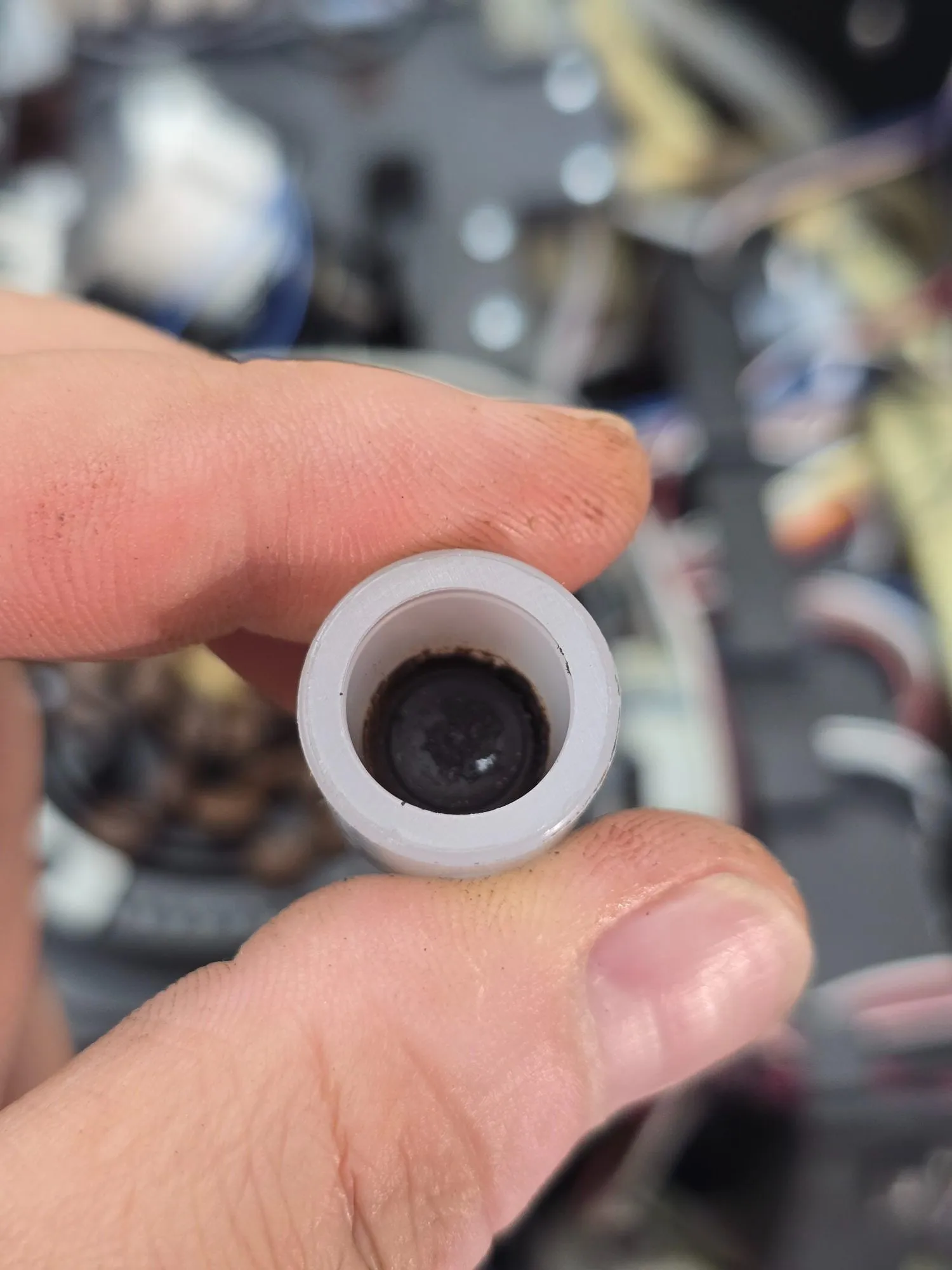
What we see: honestly, not enough of the newer LatteGo machines on our bench to judge them, and we’d rather say that than guess. The Saeco we did open was a commercial Magic M2+ that tripped the GFCI on startup, leaked, and had heavy scale in its water lines.
Buy it if: you want a simple, cheap-to-run machine for lattes and you’re on a budget.
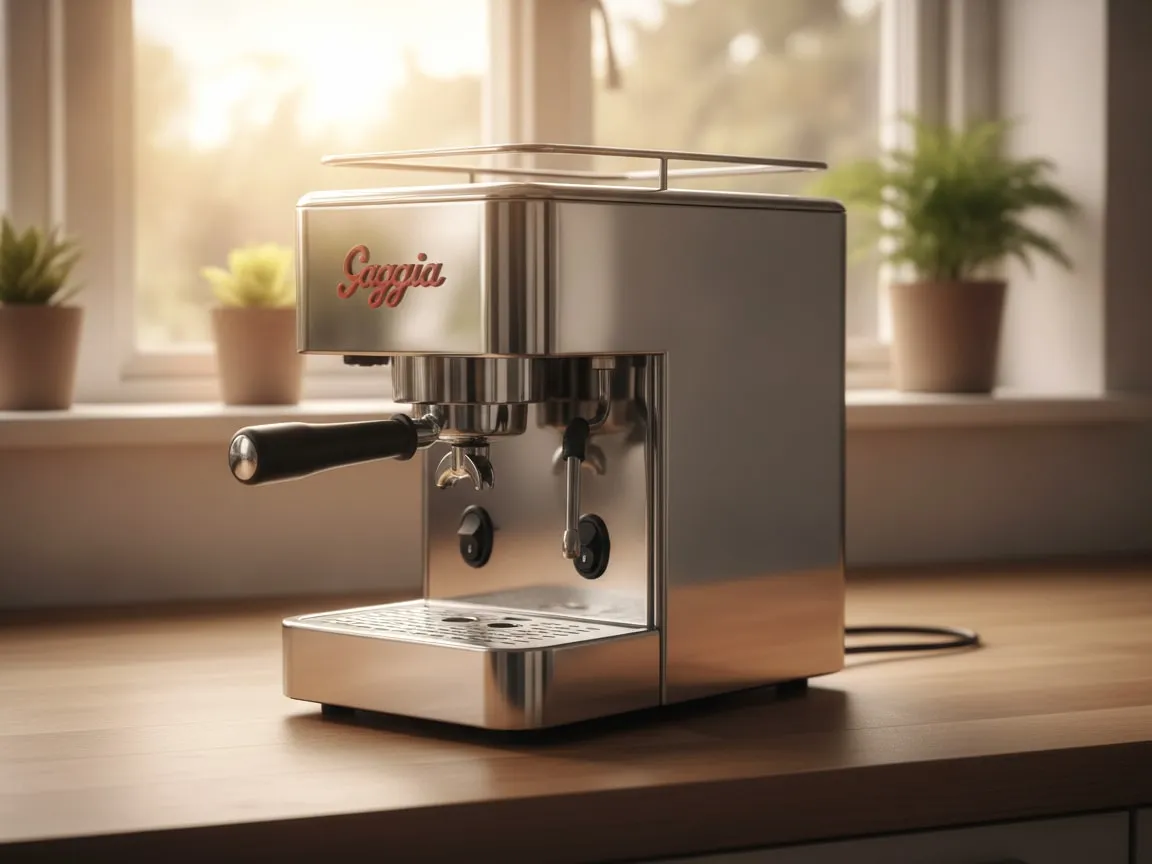
Gaggia (Accademia and others)
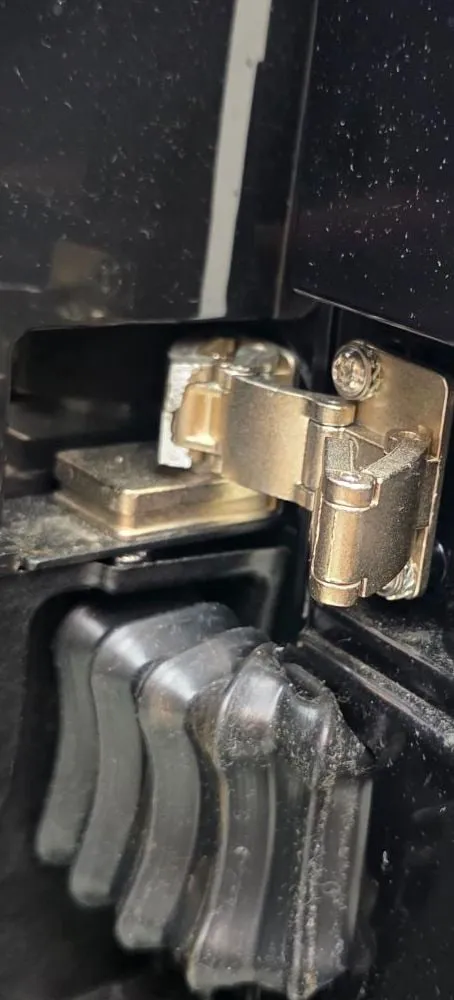
What we see: the Accademia’s door hinges. One snapped on a three-year-old machine, and our technician flagged it as a known weak spot on this model. That one also had a dripping steam valve.
Buy it if: you want a classic Italian super-automatic and you treat the side door gently.
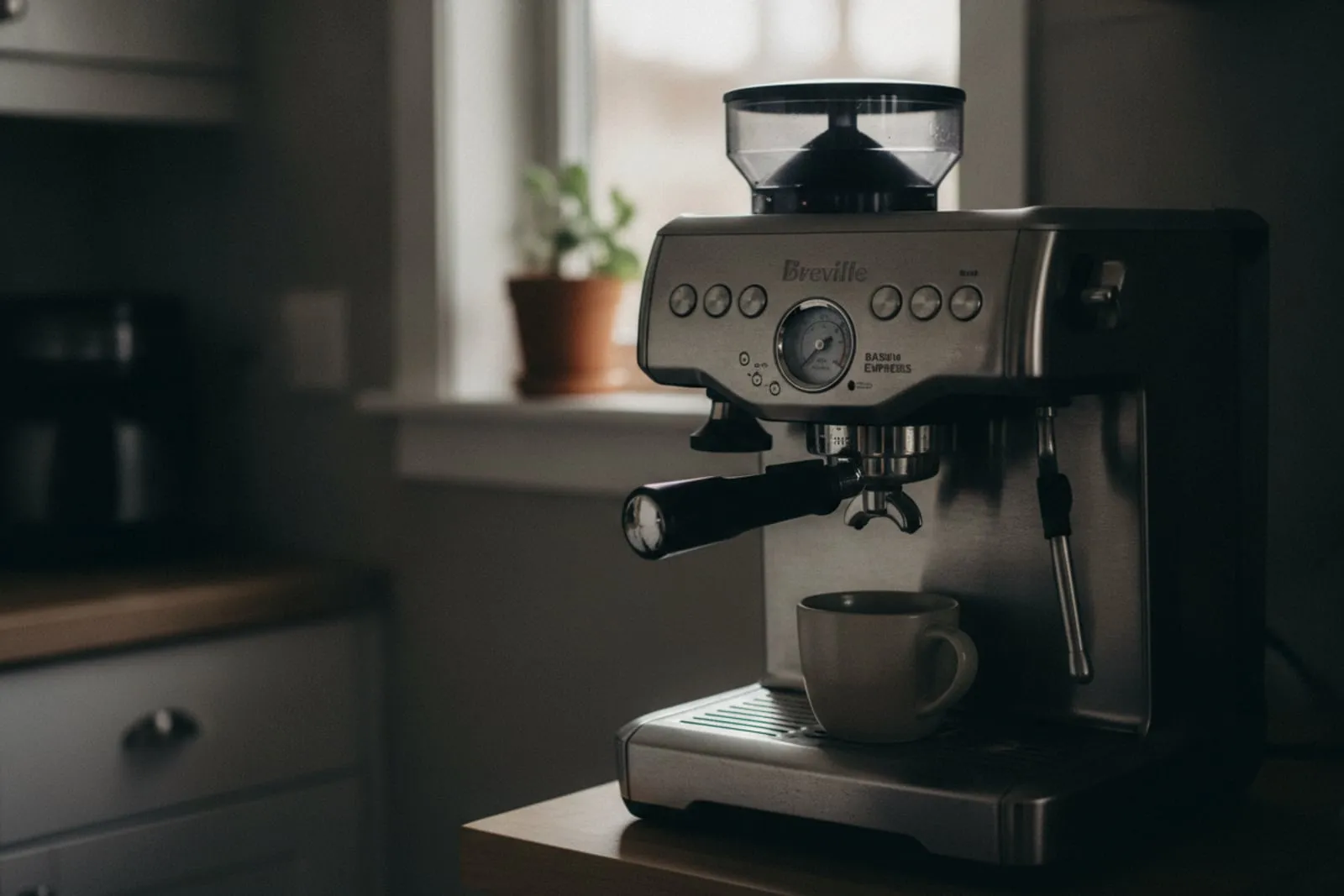
Breville Oracle (Oracle Jet, Oracle Touch, Oracle Dual Boiler)
Not a true super-automatic. It grinds and tamps for you, but you lock in a portafilter and steam with a wand. The Oracle Jet lists at $1,999.95, the Oracle Touch at $2,799.95, and the newer Oracle Dual Boiler at $2,999.95.
What we see: four Oracle Touch units this fall. A steam boiler fault that tripped the GFCI, a steam probe and control board issue, a grinder replacement, and one unit that wasn’t economical to repair. These are complex machines: two boilers, a grinder and a lot of electronics in one box.
Buy it if: you want a real espresso workflow without learning to dial in from scratch, and you accept that more parts means more that can go wrong.
Side by side
| Machine | Brew unit | US price band (Nov 2026) | What we saw most on the bench | Owner effort |
|---|---|---|---|---|
| Jura E8 / S8 / J8 | Sealed | ~$1,900–$2,600 | Jammed brewer, Y-valve leak | Low: tablets + filter |
| Miele CM 6160 / 6360 | Removable | ~$2,700–$3,000 | Packed chute and coffee path | Medium: weekly rinse |
| De’Longhi Dinamica Plus / Eletta Explore | Removable | ~$1,500–$2,000 list | Clogged brew unit, grinder wear | Medium |
| Philips 4400 / 5500 LatteGo | Removable | ~$1,200–$1,400 list | Too few on our bench to say | Medium |
| Gaggia Accademia | Removable | — | Door hinges, steam valve | Medium |
| Breville Oracle Jet / Touch | Portafilter | ~$2,000–$3,000 | Heating and electrical faults, grinder | Higher |
Prices are approximate US list or typical street prices checked in November 2026. They move often, so check before you buy.
Southern California water: the cost nobody prices in
A lot of Southern California tap water is hard. Scale builds up inside the heater, valves and lines, and it’s behind a big share of heater, valve and pump failures we see. Whatever you buy, use the right water filter and descale on the machine’s schedule. We put together a plain-English water filter guide for this.
Repair or replace?
Here’s how we think about it when a machine lands on our bench:
- Under about five years old, a quality brand, and the repair is well under half the price of a new one: repair. Most packed-brew-unit jobs fall here.
- The repair approaches the price of a new machine: replace, and we’ll tell you so. That’s what happened with the E8 above.
- An older machine with electronics faults on top of neglect: get the diagnostic first, then decide.
Our diagnostic is a flat $145, and it is credited in full toward the repair when you approve the estimate. How our diagnostic works.