Espresso Grind Size & Dose by Machine
Low pressure or a fast, thin shot is usually the grind or the dose, not a fault. A five-minute bench test and starting settings for every machine type.
The most common fault we find on the bench is not a fault. A machine arrives with a note: no pressure, the needle never reaches the espresso range, already descaled, already cleaned. We fill the basket by weight, pull a shot, and the needle goes where it should.
The pump did not get stronger on the ride over. The basket had too little coffee in it, or the coffee was too coarse, and the owner spent a month fixing a machine that was working.
This is the check to run before you pack the machine up. It takes five minutes, a kitchen scale and a bag of fresh beans. Each type of machine has its own section below.
What the gauge is reading
A pump does not make pressure by itself. It makes flow, and pressure appears only when something resists that flow. In an espresso machine the resistance is the puck: how much coffee is in the basket and how fine it is ground.
So the gauge reads the coffee as much as the pump. Too little coffee, or a coarse grind, and water runs through with nothing to push against. The needle stays low and the shot comes out fast, pale and thin. Too much coffee, or too fine a grind, and the needle climbs past the range while the cup fills a drop at a time. Breville’s instruction book gives a low needle three causes: grind too coarse, not enough coffee in the basket, a light tamp. A weak pump is not on that list.
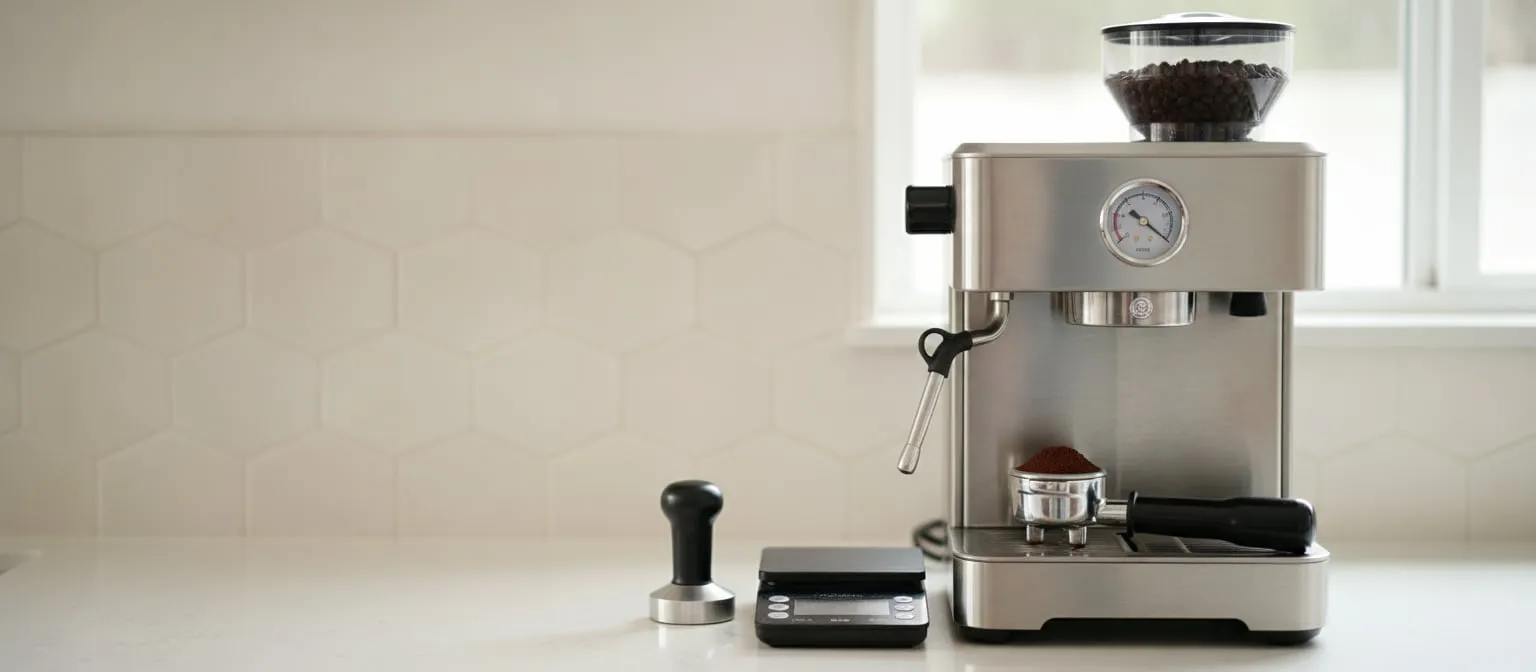
Three numbers tie it together. Dose is the dry coffee in the basket, in grams. Yield is the liquid in the cup, also in grams. Time is how long the pump ran. A common place to begin is 18 grams of coffee and 36 grams of espresso in 25 to 35 seconds, a ratio of one to two.
Set the dose on a scale first and leave it alone. Then move the grind until the time lands. Most people do it the other way round, and that order is what sends working machines to us.
Machine or coffee: the five-minute test
- Weigh the dose. Portafilter on the scale, zero it, grind, weigh again. A double basket on a home machine wants about 18 grams. If yours shows 11, you have found it.
- Fix the yield. Put the cup on the scale and stop the shot at twice the dose.
- Time it. Count from the moment the pump starts. Under 20 seconds, grind finer. Over 35, grind coarser.
- Change one thing per shot. The dose stays put. The grind moves one step.
- Run the blind test. Fit the blind basket, or the cleaning disc your machine came with, and run the pump for a few seconds with no coffee. The needle should rise fast and high. If it does, the pump and the valves are doing their job.
When the blind test passes and a weighed dose still runs through in ten seconds, look at the coffee itself: stale beans or a blade grinder. Our photo walk-through of the coffee checks covers that side.
These are not grind problems, and no setting fixes them:
- The needle stays down on the blind disc. The pump or the pressure valve is letting go. That is a repair.
- The pump is loud and no water moves. Start with the ten checks for a machine that will not run.
- Water under the machine. A seal or a hose. On a Breville the Barista Express parts diagram shows which.
- Weak steam as well as a weak shot. Both share the heater and the water path. Read what to do when descaling did not help.
Pick your machine in the figure for a starting recipe.
- Dose
- 16 to 19 g. Start at 18 g on a scale.
- In the cup
- About twice the dose: 36 g from 18 g.
- Time
- 25 to 30 seconds.
- Turn
- Grind Amount for grams, Grind Size for speed.
Runs fast. Weigh the dose first. If it is 16 g or more, go one or two steps finer on Grind Size.
Runs slow. One or two steps coarser. If the basket holds over 19 g, turn Grind Amount toward LESS.
The trap. Grind Amount set low: the grinder stops early and the basket holds 10 or 11 g.
Starting points by machine
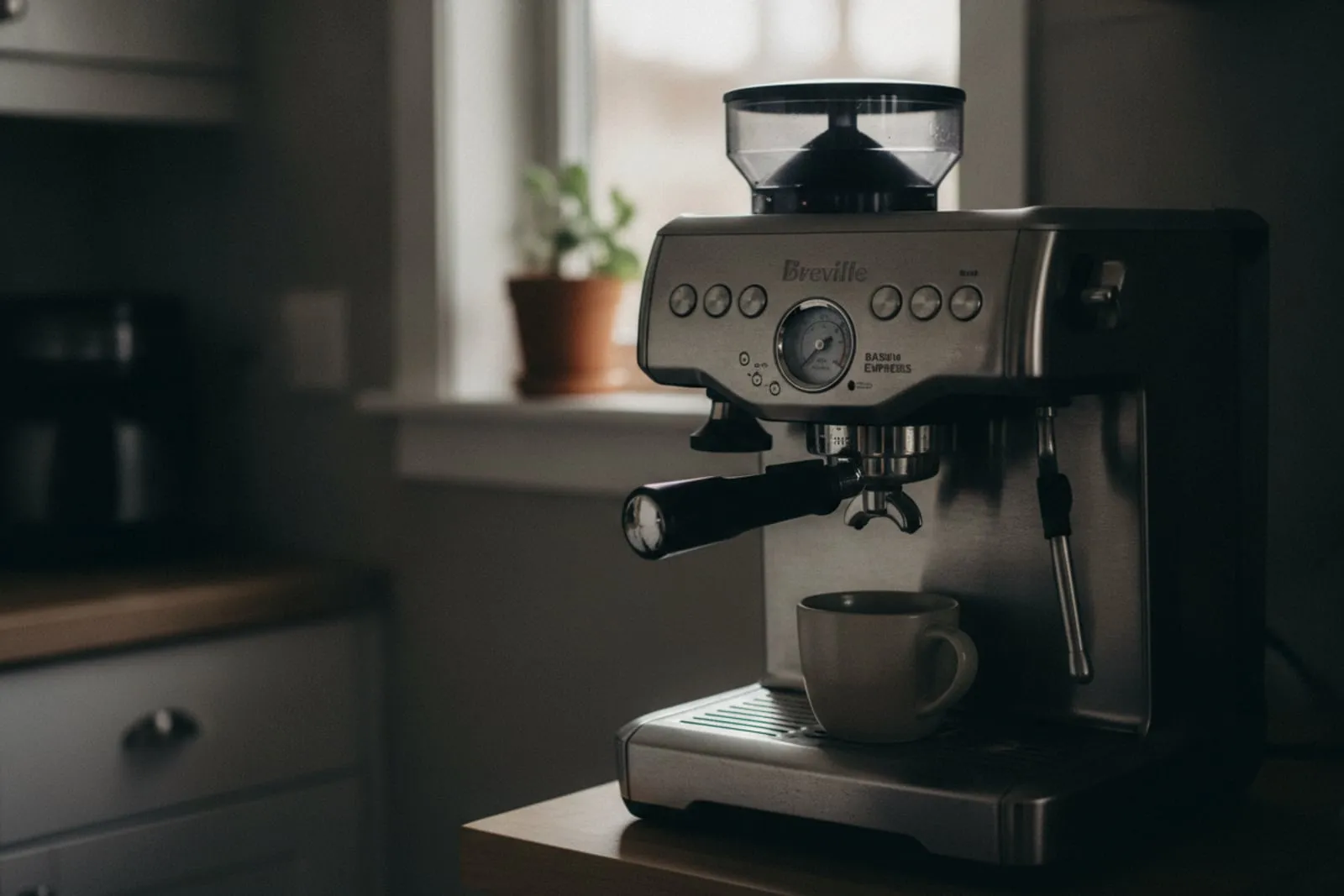
Breville Barista Express: low pressure and the Grind Amount dial
The Barista Express, Pro, Touch and Oracle grind straight into the portafilter, and that puts two dials in play. Grind Size sets how fine. Grind Amount sets how long the grinder runs, which is how many grams land in the basket.
A recent job shows the pattern. A Barista Express BES870XL came in for no pressure. The owner had cleaned it, descaled it and gone finer on the grind, with no change. On the bench the Grind Amount dial sat near LESS, and the double basket was getting 10 to 11 grams. Two of our technicians checked the machine separately and found nothing wrong with it. With 18 grams in the same basket the needle went into the espresso range and the shot ran normally.
Check these in order:
- Grind Amount. Breville says to start at the 3 o’clock position and adjust until the cap of the tamper sits level with the basket rim after tamping. Then confirm on a scale. The double basket is made for about 16 to 19 grams, the single for 8 to 11.
- Filter Size. SINGLE and DOUBLE are separate grinder programs. The wrong one halves the dose.
- The basket. Single wall baskets have a floor full of holes and are for beans you grind fresh. Dual wall baskets have one small exit hole and are for pre-ground coffee. Swap them and the needle goes to one end of the dial or the other.
- The upper burr. Under the hopper the top burr has its own numbered ring, shown on 6 in the book, and it lifts out for cleaning. Put back on another number, or not locked, it shifts the whole Grind Size range. Look here first when the trouble started after a cleaning.
- Your own portafilter and baskets. We test with the handle and baskets that came with the machine. A dented basket changes the result, so send them along.
Go finer only after the scale reads 18 grams. Grinding finer over a light dose is the stock advice online, and on this machine it is the wrong first move.
The descale is a separate job, covered in how to descale a Breville. What does fail on these machines is listed on our Breville repair page.
Entry machines with pressurized baskets
Many entry-level machines ship with pressurized baskets, the kind Breville calls dual wall. The basket makes its own back pressure through a single small hole, so the cup depends far less on grind, dose and tamp. It is built for coffee ground at the store.
It also means the usual signals mislead. Foam on top is not proof of a good extraction, and a gauge, where the machine has one, reads the basket more than the coffee. A weak, watery cup here is nearly always too little coffee or coffee gone stale. If the stream stops entirely, the exit hole is blocked, and that is cleaning, not repair.
E61, heat exchanger and dual boiler machines
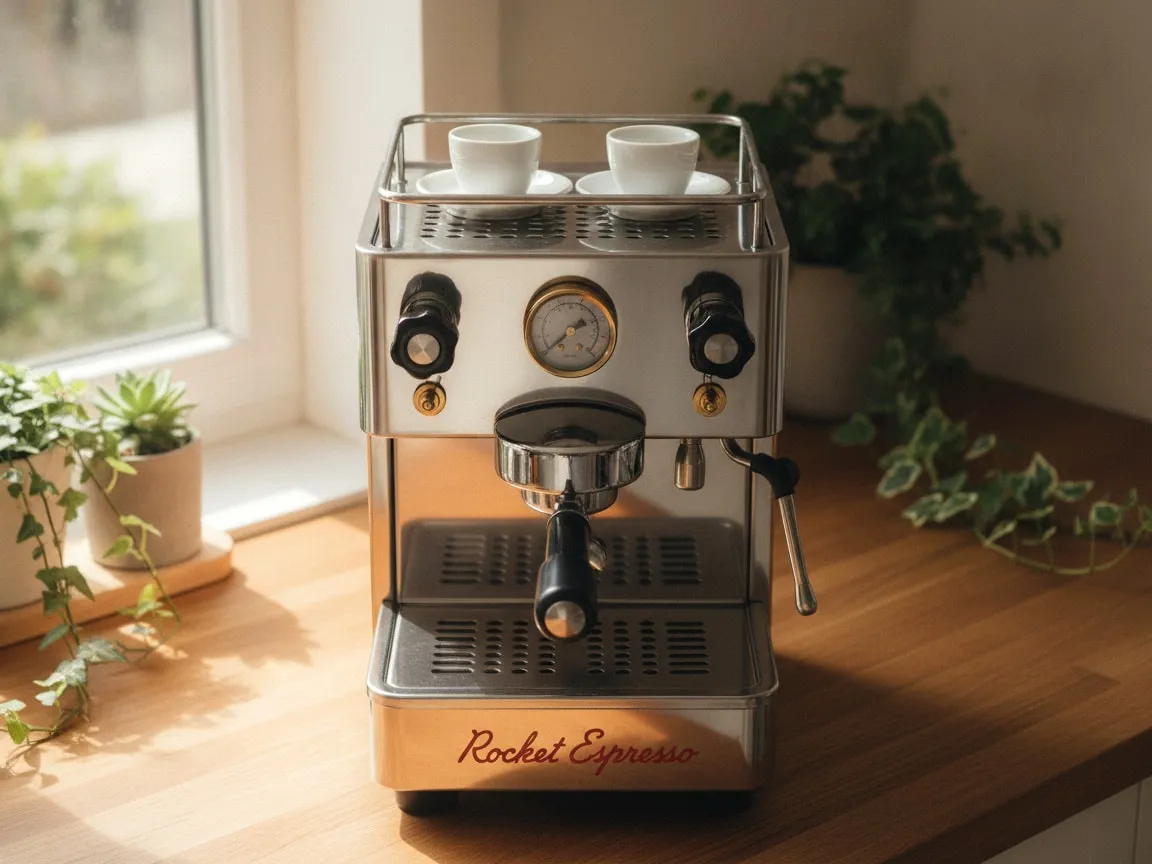
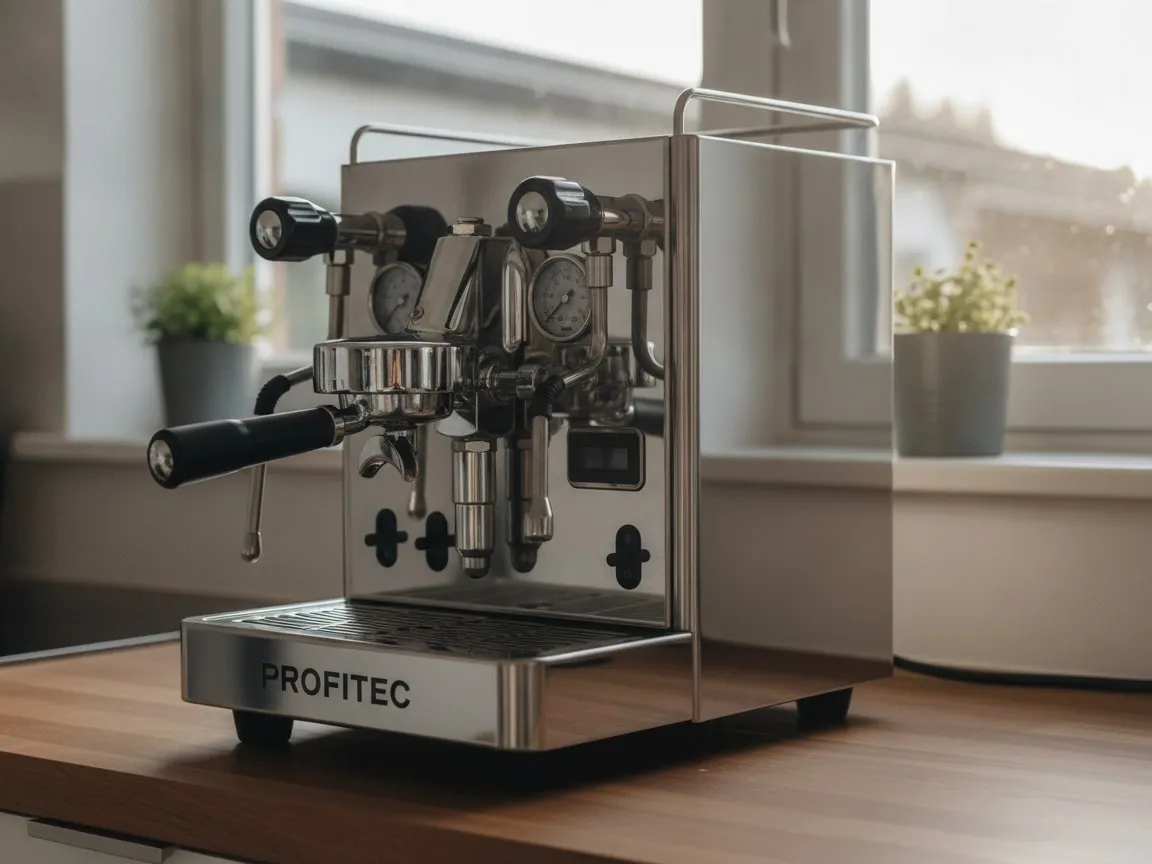
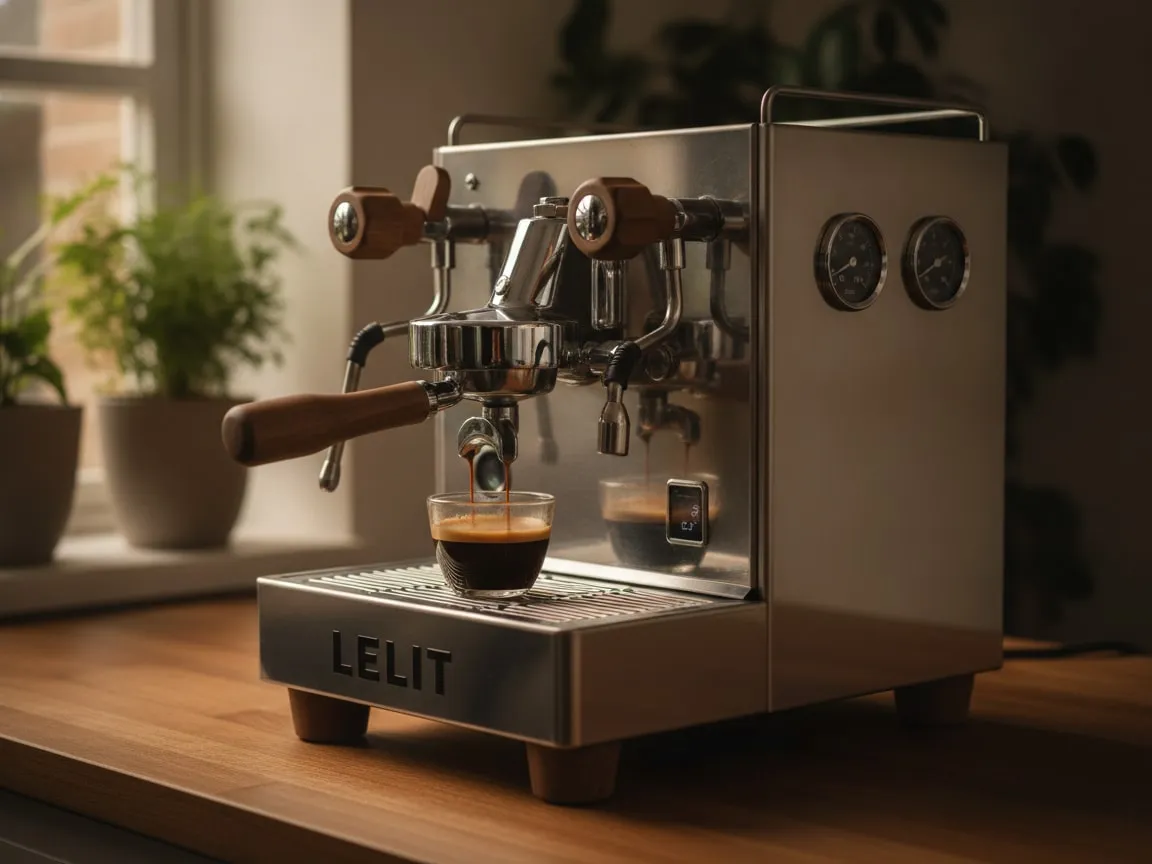
A Rocket, Lelit, Profitec or ECM has no grinder on board, so every grind question is about the grinder standing next to it. Start at 18 grams in the stock double basket, 36 grams out, 25 to 35 seconds, and move the grinder one mark at a time.
When we send one of these back from repair, the pump is set to 9 bar against a blind basket. During a real shot the needle reports on the puck. Nine on the blind basket and four during a shot means the machine is fine and the coffee is coarse. If the grinder is at its finest mark and shots still run fast, the burrs may be worn: see when grinder burrs are due and our grinder repair page.
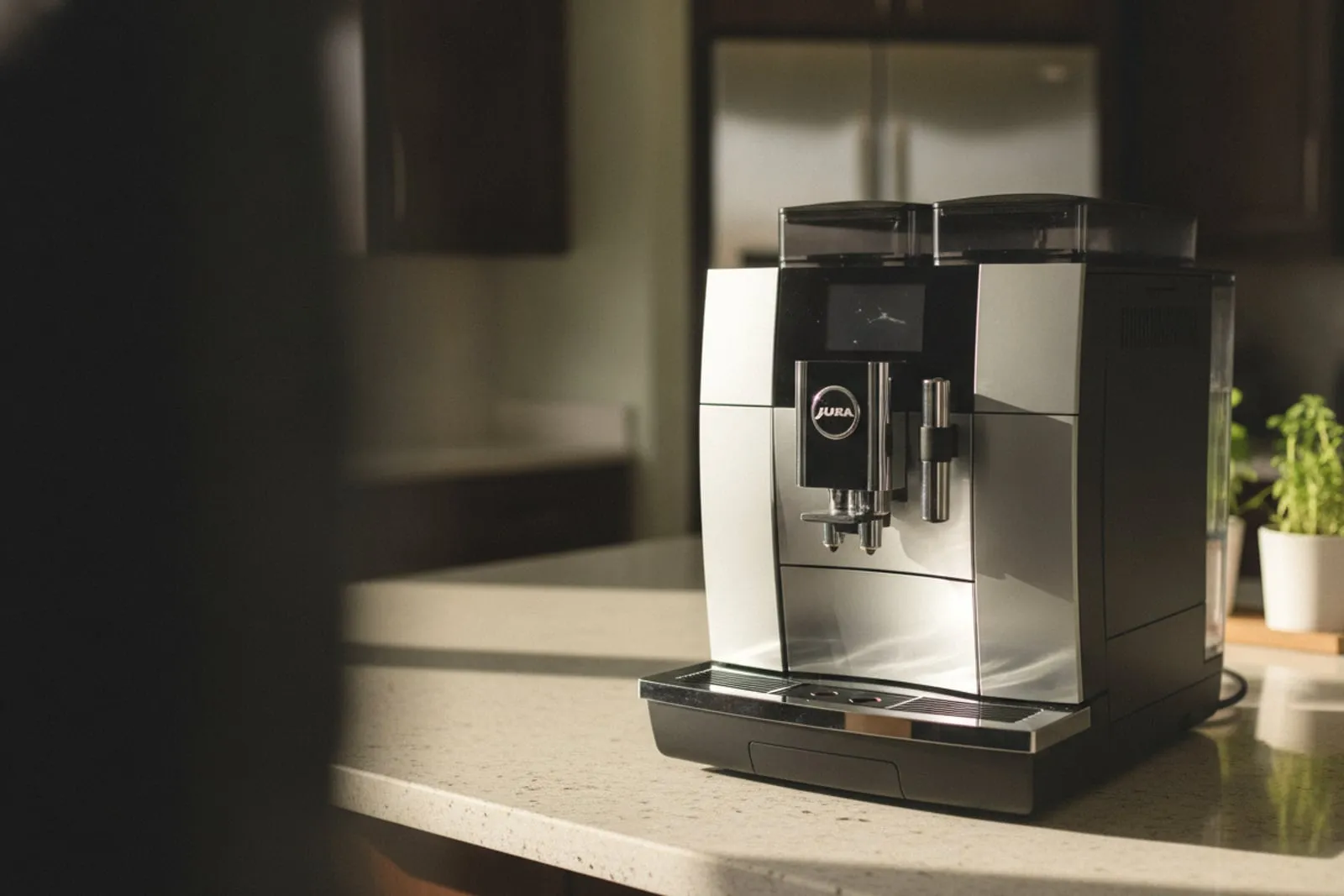
Super-automatics: Jura, De’Longhi, Philips, Saeco, Miele
There is no basket to weigh, so the two controls carry other names. Strength, or aroma, is the dose: more beans per cup. The grinder dial is the grind. Jura and De’Longhi print the same rule, and owners break it constantly: turn the grinder dial only while the grinder is running. De’Longhi adds that the change shows after two cups, so move one click and wait.
Watery coffee from a super-automatic is a setting far more often than a failure. Raise the strength first. Then go one click finer during grinding. If the cup is still thin on beans that are neither oily nor old, the cause is mechanical: burrs worn round, or a brew unit that no longer holds pressure. The second is covered in Jura brew unit errors, and both are routine work on Jura machines. A yearly maintenance service is where a tired brew unit gets caught early.
Commercial machines in a cafe
Dial in at the start of every shift, on a scale, and again when the room warms up. With an on-demand grinder a grind change also changes the weight it drops in a timed dose, so reset the dose time after every grind move. When one group runs fast and the other does not, on the same grind, stop adjusting and call. That is a machine fault.
Batch and drip brewers
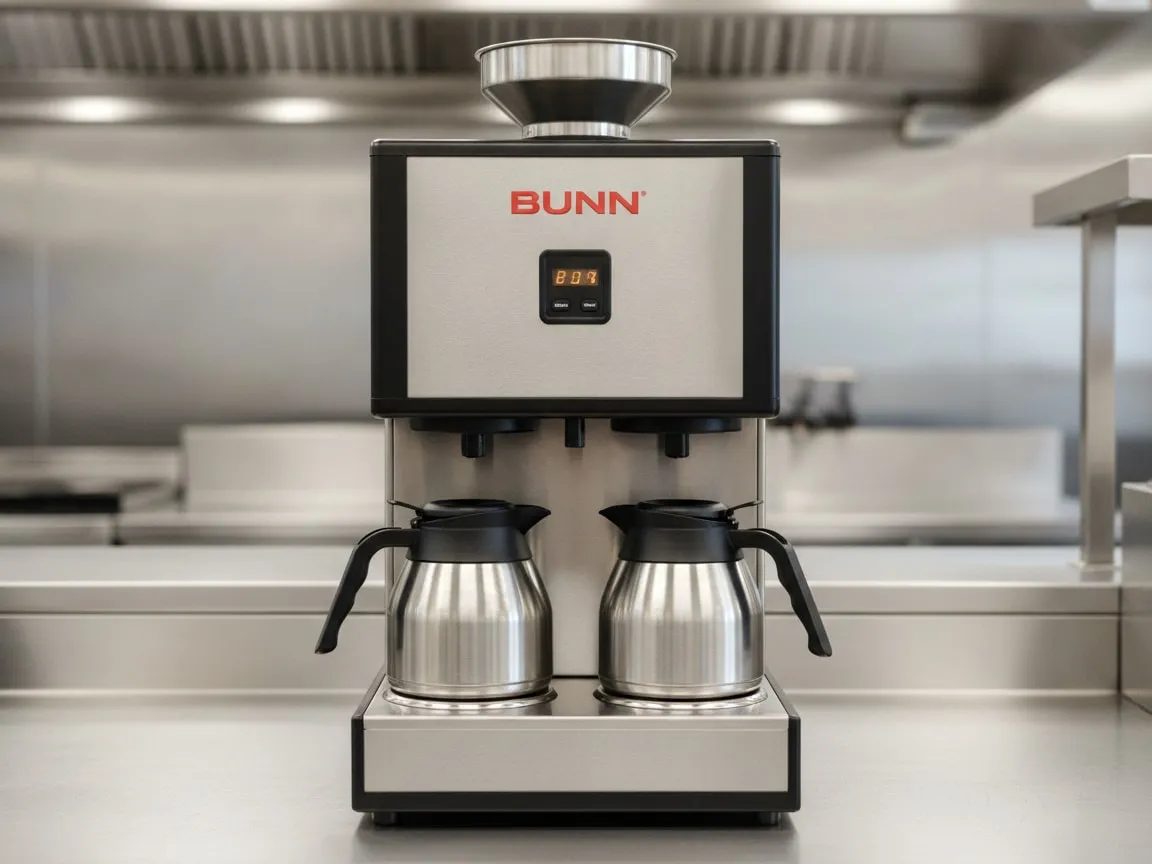
Bunn’s brewing guide gives the targets: water at 195 to 205°F, a coffee bed 1 to 2 inches deep, and no more than 8 minutes of contact. Thin coffee is usually a coarse grind or a shallow bed. It is the brewer when the water arrives cold, or when the spray head wets the middle of the bed and leaves a dry ring around it.
When it is a repair after all
If the blind test fails, or a correct dose and grind still leave the needle flat, stop buying coffee to test with. Book the diagnostic and tell us what you measured: grams in, grams out, seconds. Those three numbers shorten the bench time in Los Angeles and everywhere else we collect.
The diagnostic is $145 for a countertop machine we collect and return. The $145 diagnostic is credited in full toward the repair when you approve the estimate. Repair ranges by fault are on the pricing page.